Hardwood Flooring
Hardwood is the floor people keep. Real wood, chosen for species, color, plank width and finish against your rooms rather than off a chart, and installed over a subfloor we have checked for moisture first — because in central Ohio, moisture is what decides whether a wood floor stays flat.

Solid or engineered is a question about your subfloor
Two constructions, one decision
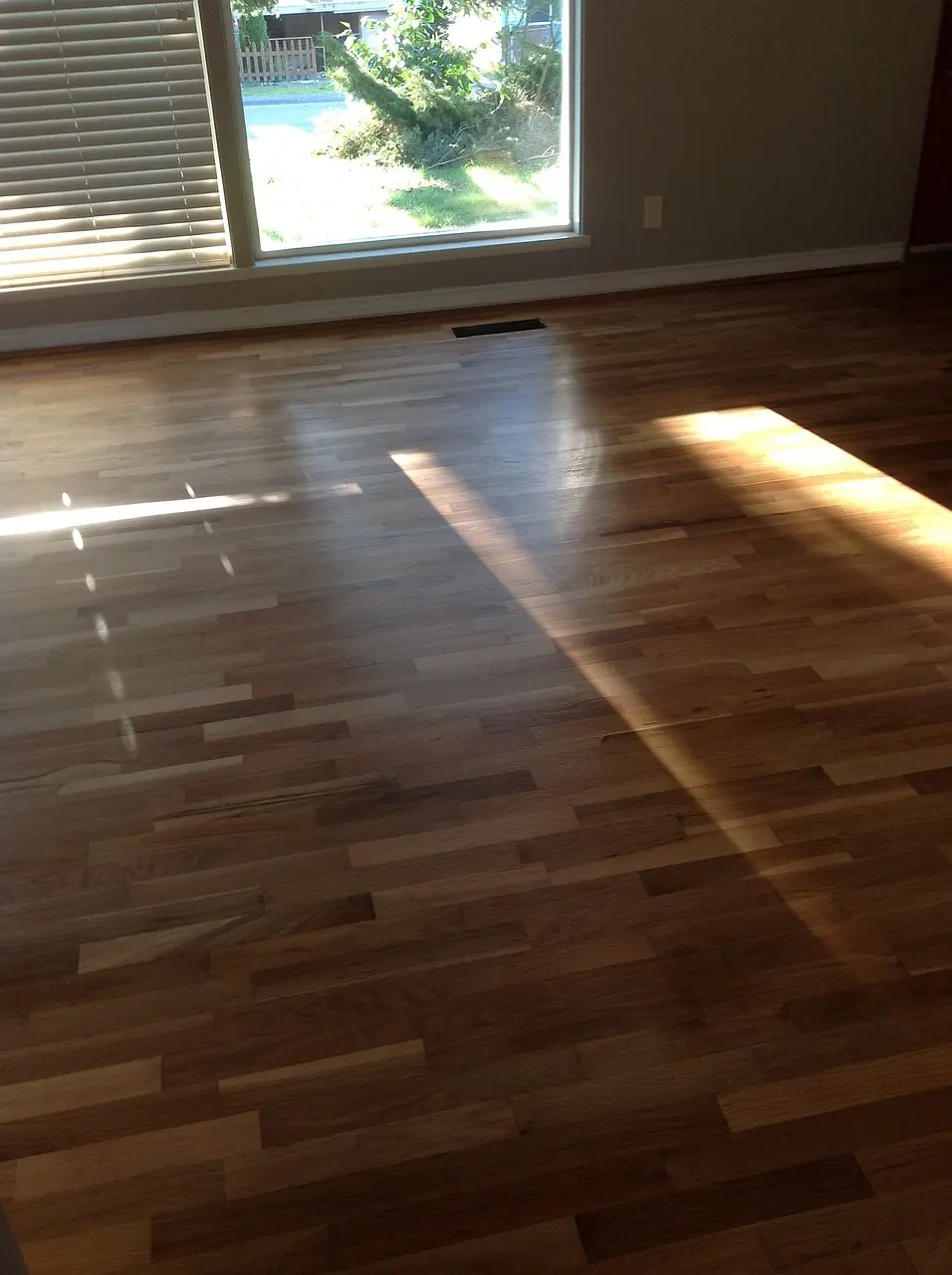
Solid hardwood is a single piece of timber, three quarters of an inch of the same wood all the way down. It can be sanded and refinished several times over a very long life, and it moves with the seasons — swelling in an Ohio August, shrinking in a heated January.
Engineered hardwood is a real wood wear layer over a cross-laminated core. The surface is genuine hardwood and looks identical once it is down. The core is what changes: it moves far less with humidity, which is what makes engineered the right answer over concrete, over radiant heat and in basements where solid wood simply should not go.
Species, width and finish
Hardness varies more than people expect. Red oak is the benchmark most floors are measured against; hickory and maple are considerably harder; American walnut is softer than either and marks more readily, which is either character or damage depending on the household.
Plank width changes both the look and the behavior. Wide planks read calmer and more contemporary, and they also show seasonal movement more visibly, because the same percentage of movement across a seven-inch board opens a wider gap than across a three-inch one. In a house that swings from humid summers to dry forced-air winters, that is worth knowing before you choose rather than after.
What's included
- Authentic natural grain, tone and character
- Engineered and solid constructions
- Species, color, plank width and finish chosen with you
- Professionally measured and installed
- Timeless styles that suit traditional and modern rooms
Main floors, and the places to think twice
Living rooms, dining rooms and halls
The main floor of a house is where hardwood does what nothing else does. It reflects light, it reads as one continuous surface through open-plan space, and it is the one flooring material that looks better having been lived on for a decade.
It is also the floor most likely to still be there when the house sells. That is a fair part of why people choose it, and it is a reasonable thing to weigh — not because we can promise you a number, but because a well-fitted wood floor is one of the few things in a house that does not need replacing on a cycle.
Stairs and transitions
Wood stairs are where the craft shows. Treads have to be scribed to the stringers, nosings have to match the floor they run into, and risers have to sit square in a staircase that is almost never square. It is slow work and it is the part of a hardwood job that separates a floor from a finished floor.
We measure stairs individually rather than estimating them, because winders, open sides and landings all change both the material and the hours.
Where we would steer you elsewhere
We will tell you when hardwood is the wrong choice. A basement below grade, a bathroom, a mudroom that takes wet boots all winter — those are rooms where wood is a maintenance problem rather than an asset, and luxury vinyl plank gives you the same look without the argument.
The same goes for a slab with a high moisture reading. Engineered wood with the right vapour barrier often solves it, but it is a decision to make with a meter on the floor, not with a hopeful assumption.
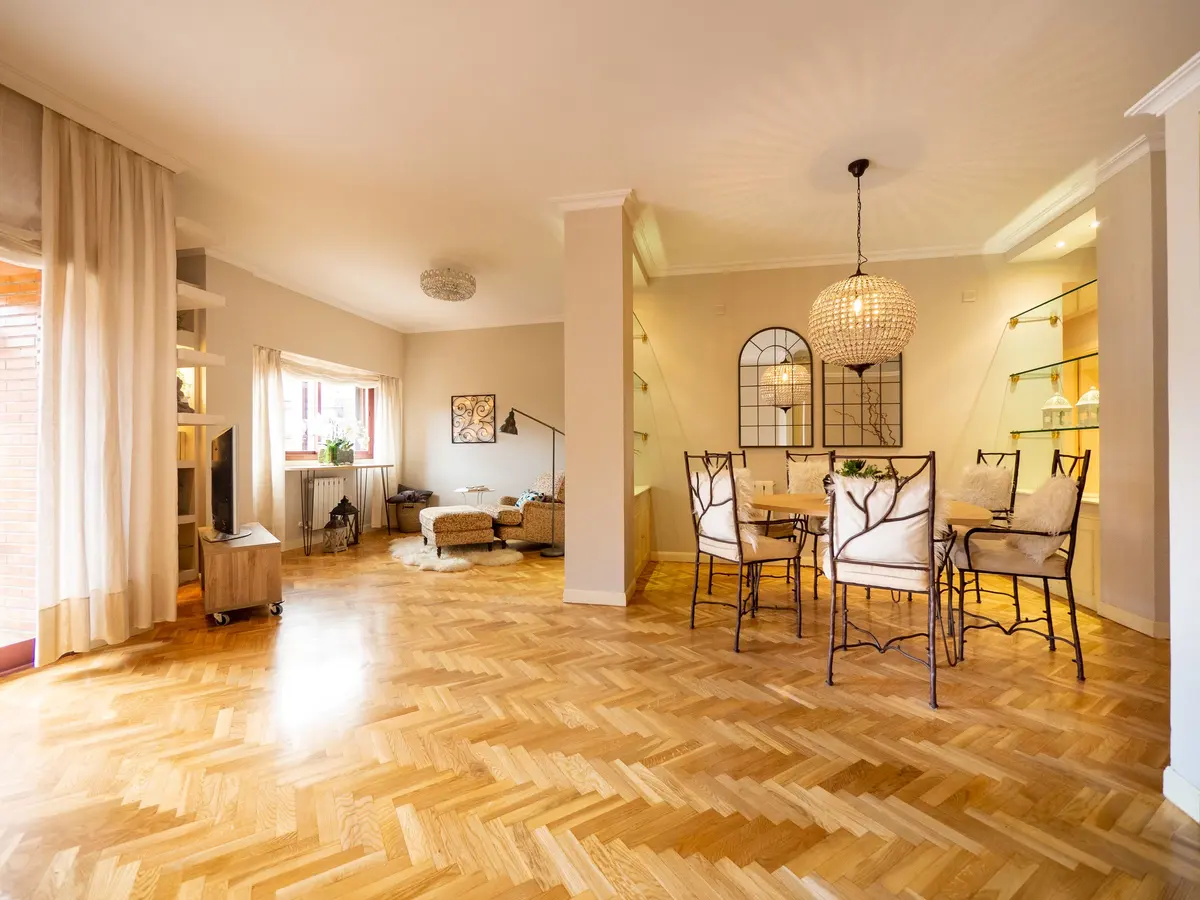
Hardwood Flooring we've installed
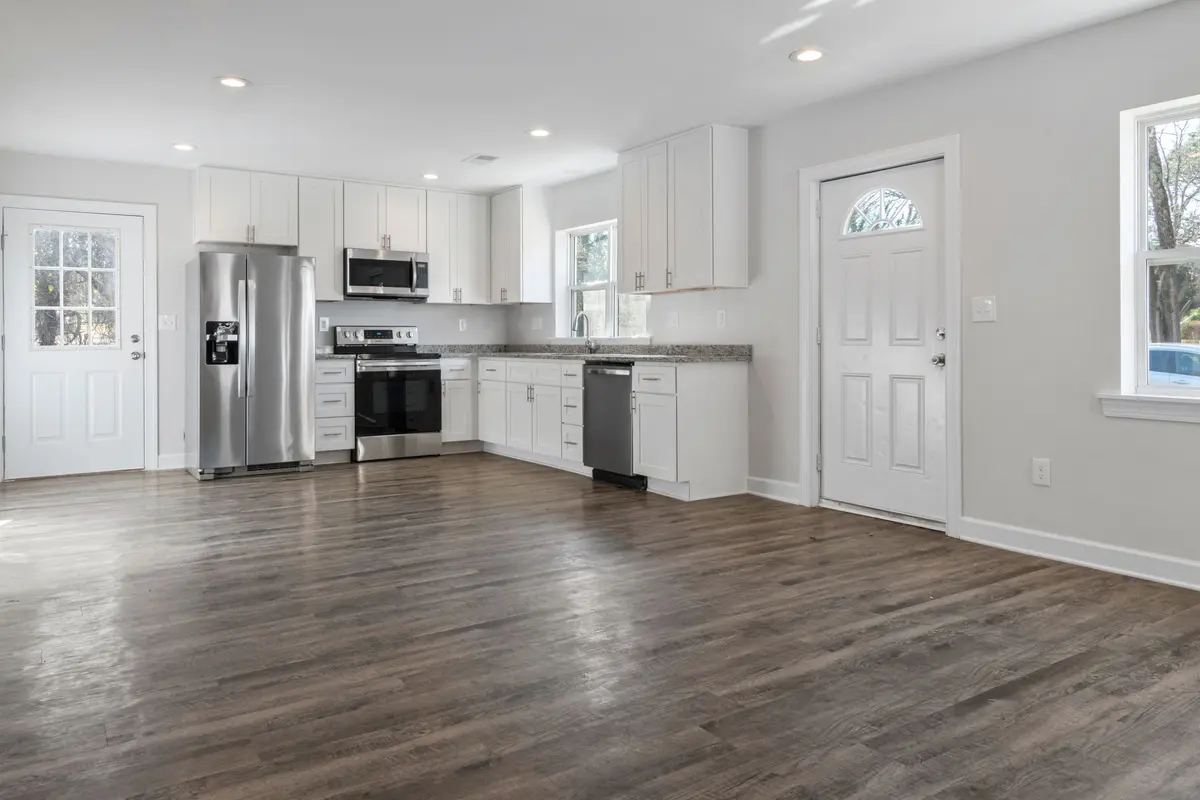
Moisture, acclimation, then fastening
Test the subfloor before the wood arrives
A wood floor fails in one of two ways: it cups because it took on moisture from below, or it gaps because it was installed wetter than the house will ever be again. Both are moisture problems and both are predictable with a meter.
We test the subfloor and the wood, and we want the difference between them inside the manufacturer's tolerance before a single board is fastened. In a central Ohio house that usually means letting the material sit in the room for several days with the heating or cooling running as it normally would.
Flat, dry, sound
The subfloor has to be flat within tolerance, properly fastened, and free of movement. Loose panels get screwed down, squeaks get chased to their source, and dips get leveled. A hardwood floor over a subfloor that flexes will develop hollow spots and creaks that are impossible to reach once the wood is over them.
Existing flooring comes out and the deck gets cleaned properly first. It is unglamorous and it is the reason a floor is still quiet in year ten.
Layout, fastening and finish
Board layout is planned against the room's longest sightline and its main light source, and racked out of several boxes at once so the natural color variation is distributed rather than pooling in one corner. Expansion gaps are left at every wall and every fixed object, then covered by trim.
Fastening method follows the construction and the subfloor: nailed or stapled to a wood deck, glued or floated over concrete. We fit the transitions and trim, clean up, and walk the finished floor with you. Installed products carry a lifetime warranty.
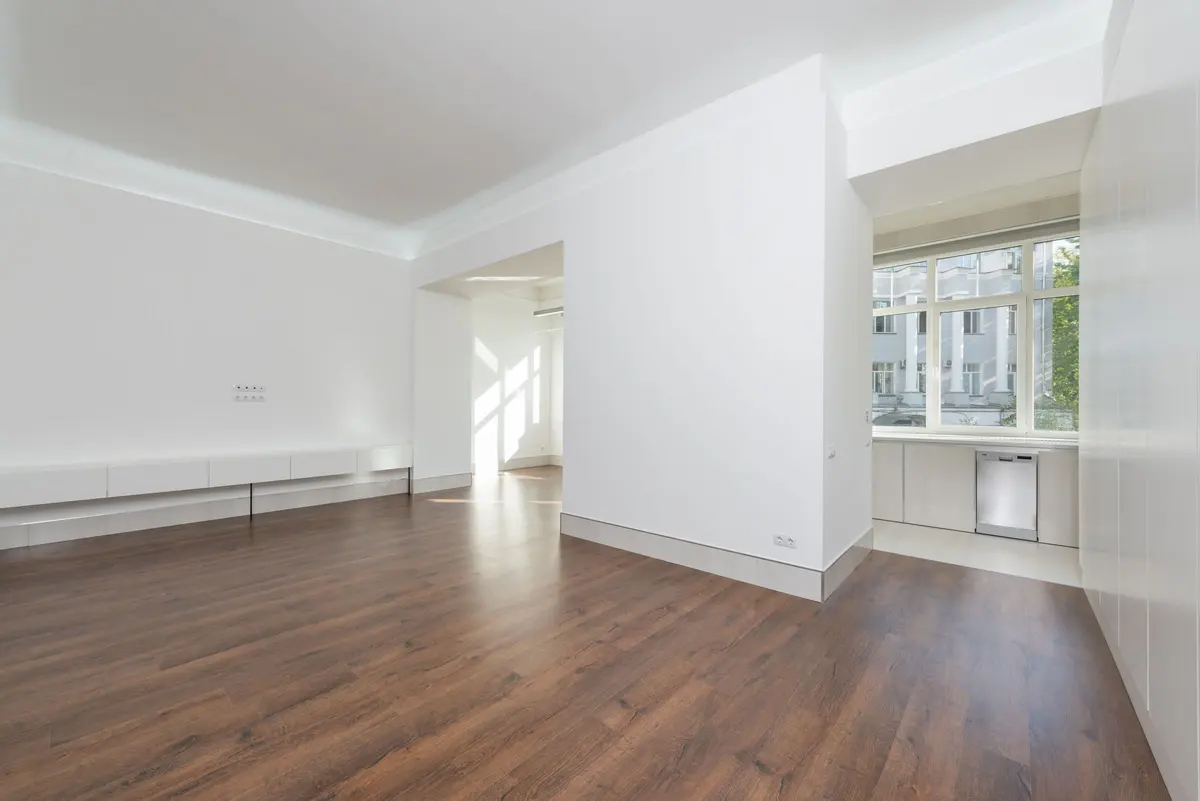
The subfloor has to be flat within tolerance, properly fastened, and free of movement.
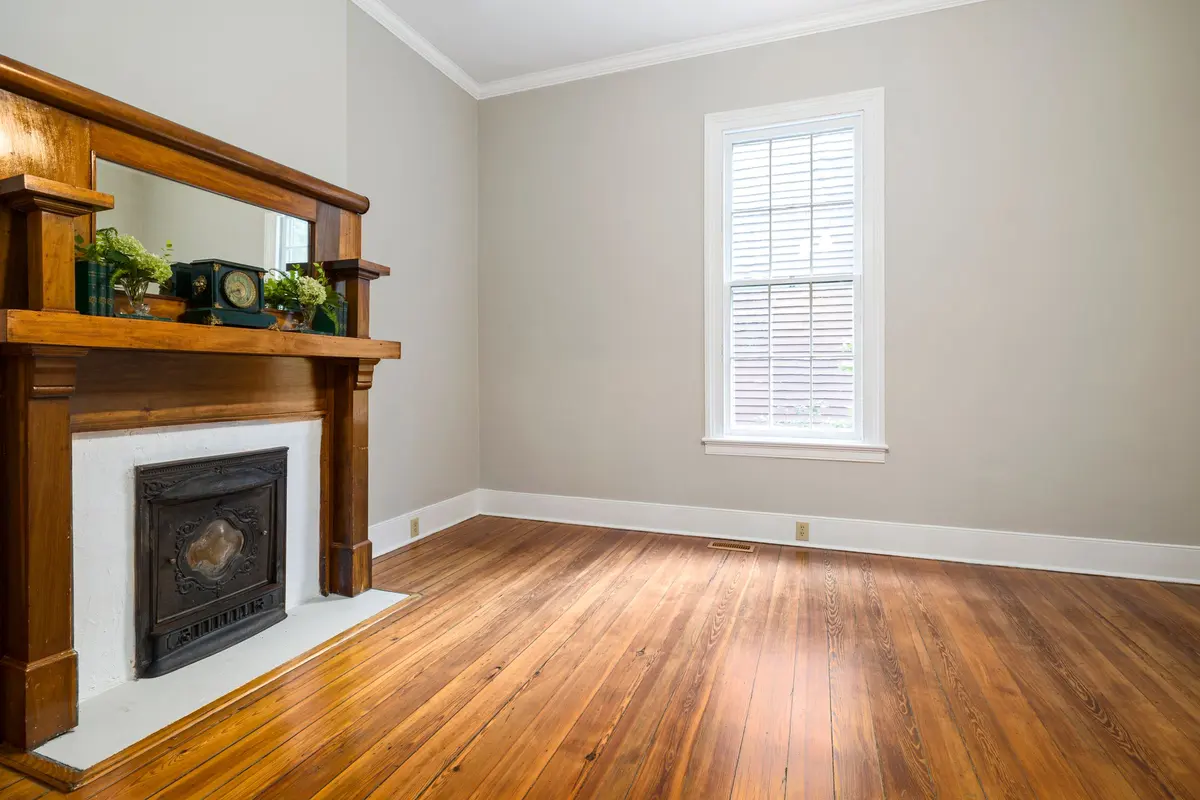
Hardwood Flooring questions
Solid or engineered hardwood — which should I choose?
It depends on the room, the subfloor and the moisture conditions. Engineered handles below-grade and concrete subfloors better; solid can be refinished more times. We compare both against your actual space.
How long does a hardwood install take?
It varies with project size, removal, subfloor preparation, stairs and site conditions. We give you the expected timeline at your complimentary in-home consultation.
0% APR for 12 months
6,12,36 months 0% depends on purchase size.
Hardwood Flooring by city
- Heath Hardwood Flooring
- Newark Hardwood Flooring
- Granville Hardwood Flooring
- Pataskala Hardwood Flooring
- Johnstown Hardwood Flooring
- Hebron Hardwood Flooring
- Utica Hardwood Flooring
- Buckeye Lake Hardwood Flooring
- Harbor Hills Hardwood Flooring
- Kirkersville Hardwood Flooring
- Alexandria Hardwood Flooring
- Hanover Hardwood Flooring
- Saint Louisville Hardwood Flooring
- Etna Hardwood Flooring
- Thornville Hardwood Flooring
- Pickerington Hardwood Flooring
- Reynoldsburg Hardwood Flooring
- New Albany Hardwood Flooring
- Gahanna Hardwood Flooring
- Canal Winchester Hardwood Flooring
- Whitehall Hardwood Flooring
- Bexley Hardwood Flooring
- Groveport Hardwood Flooring
- Westerville Hardwood Flooring
- Columbus Hardwood Flooring
- Worthington Hardwood Flooring
- Upper Arlington Hardwood Flooring
- Grandview Heights Hardwood Flooring
- Grove City Hardwood Flooring
- Dublin Hardwood Flooring
- Hilliard Hardwood Flooring
Other services
-
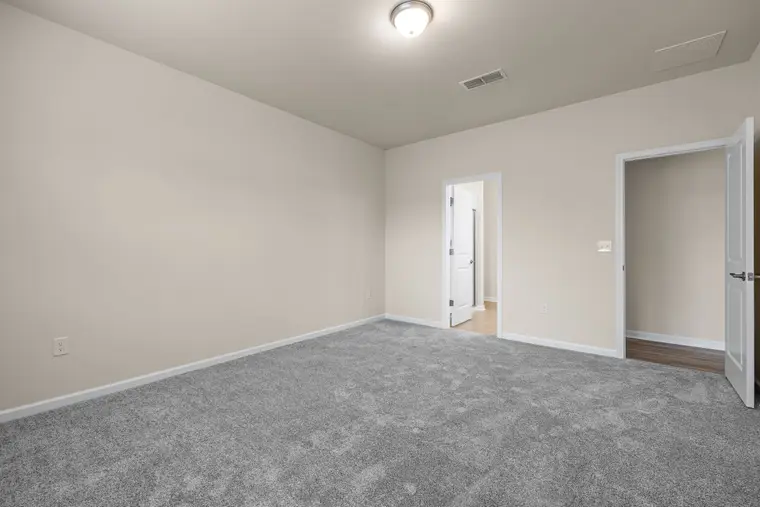
Carpet
Soft, pet-friendly and stain-resistant carpet chosen with you at home, then measured, prepared and installed by experienced flooring contractors.
Learn more → -
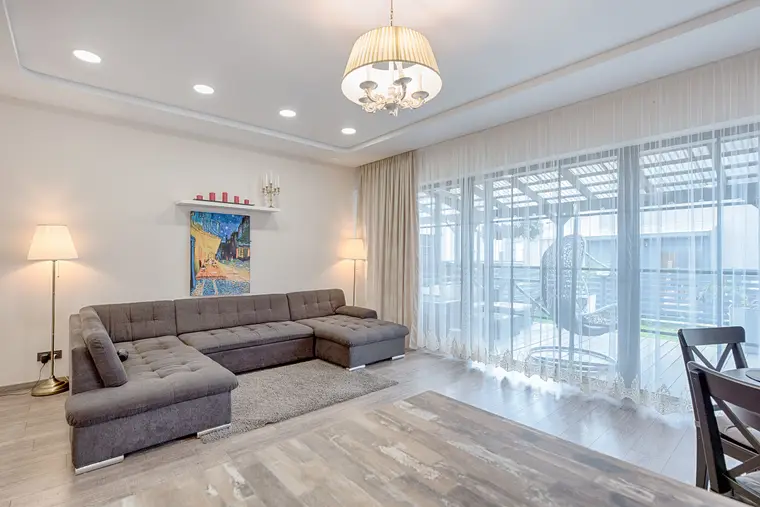
Luxury Vinyl Plank
The look of natural wood with the durability busy households need — water-resistant options, easy care, installed by experienced flooring contractors.
Learn more → -
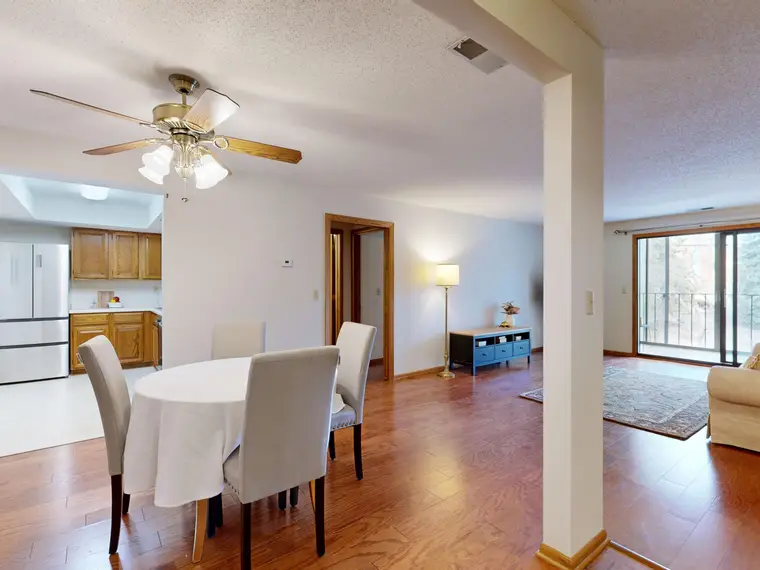
Laminate
Hard-wearing laminate flooring for rooms that take a beating, supplied and installed with the same preparation and cleanup as every Highmark job.
Learn more → -
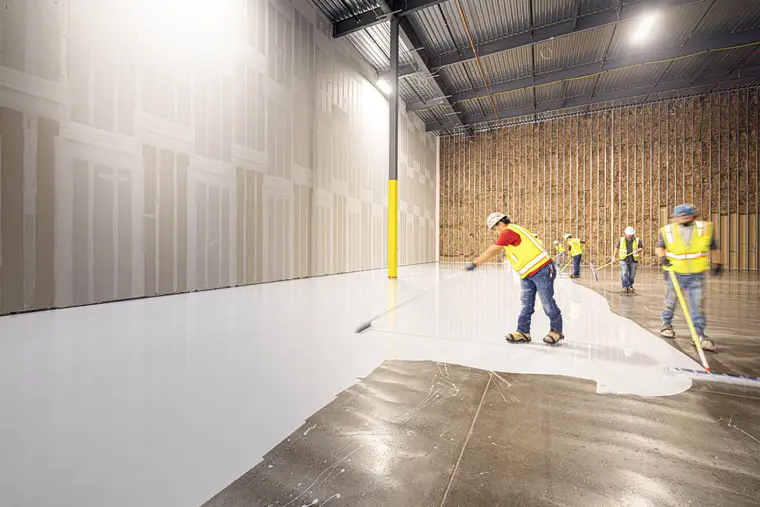
Floor Removal & Demo
Old flooring lifted, hauled away and the subfloor left clean, dry and ready — included in the project price on most jobs.
Learn more → -
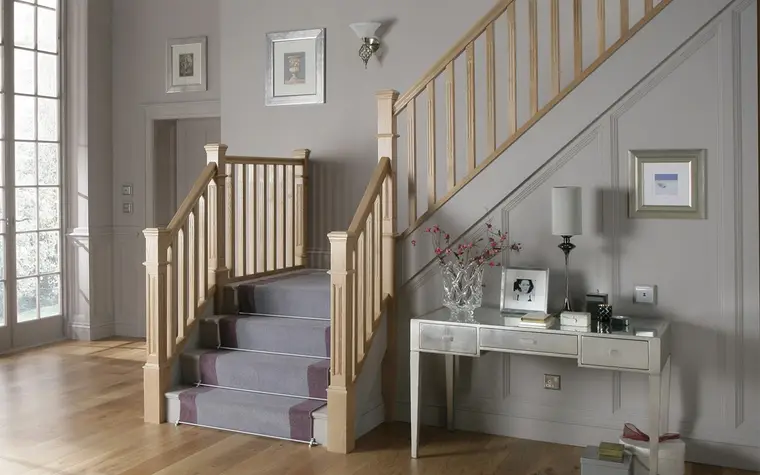
Stairs & Trim
Stairs, transitions and trim finished properly — the details that decide whether a new floor looks installed or looks finished.
Learn more → -
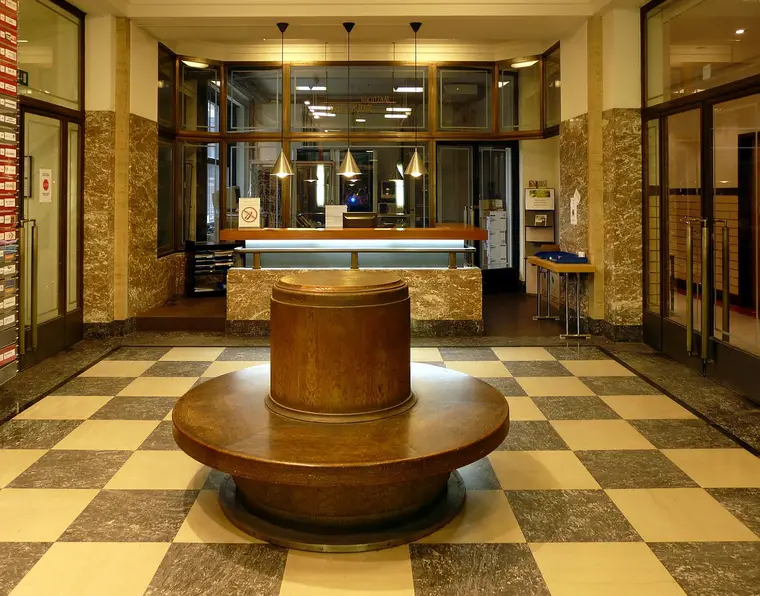
Commercial Flooring
Flooring for offices, suites and light commercial spaces around Licking and Franklin County, on a schedule that works around your business.
Learn more →
Ready for your free in-home estimate?
Free in-home estimate, clear pricing, and a crew that shows up when we say we will.