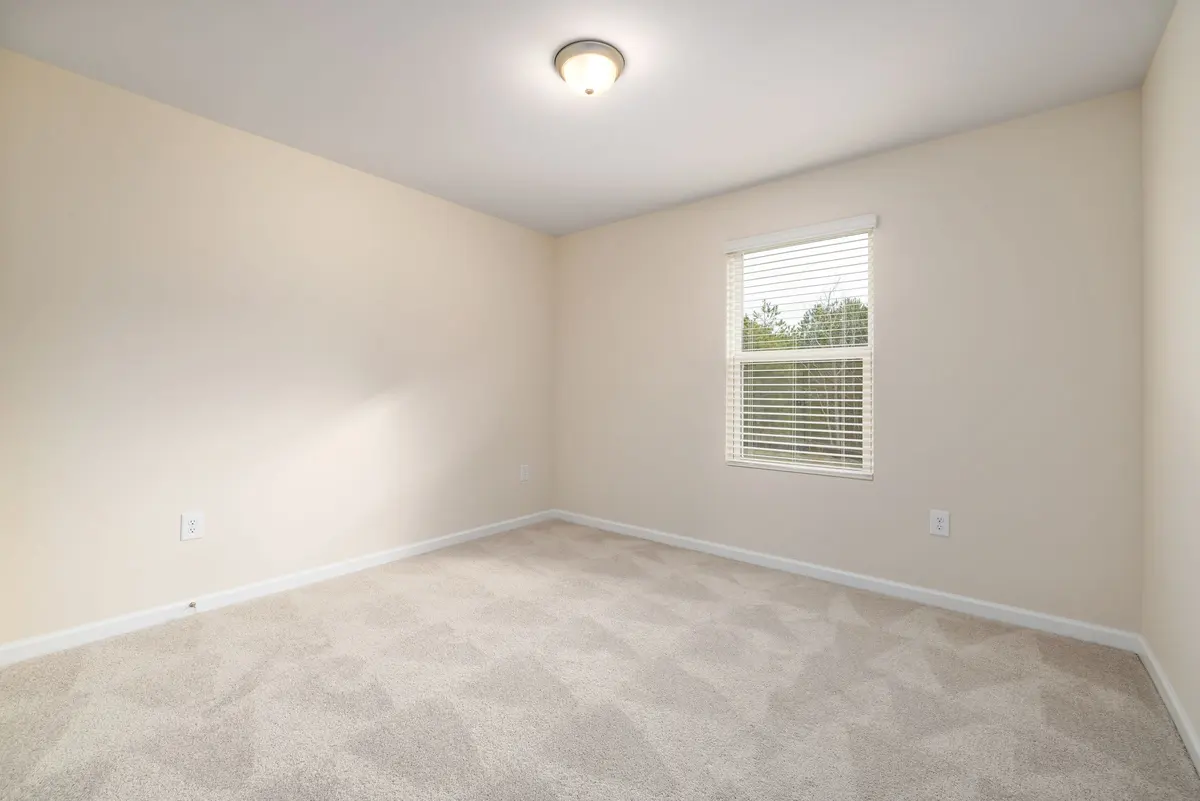
Carpet is the least expensive floor to install and the one most often bought badly. The reason is that almost all of the shopping happens on the face — the colour, the softness, the way it feels in the hand — and almost all of the performance sits in the parts you cannot see from a showroom sample.
Here is what it costs, and what the money is actually buying.
Installed price by room size
- 250 square feet, about a large bedroom: $875 to $2,500
- 500 square feet, a couple of bedrooms or a family room: $1,750 to $5,000
- 1,000 square feet, most of an upstairs: $3,500 to $10,000
Those are professionally installed prices covering the carpet, the cushion, taking the old floor out, standard furniture moving and the fitting. The range inside each size is quality level, and it splits four ways.
What the four levels change
**Essential** is a builder-grade carpet. It will look good on the day it goes in and it will show traffic lanes sooner than the others. For a rental, a room nobody walks through, or a house you are selling next spring, it is the sensible spend.
**Preferred** is where most households should be. Better fibre, better density, and it holds up in a hallway rather than flattening in one.
**Signature** buys density and a better twist, which is the property that decides whether the carpet still looks new after four years of the same route across it.
**Designer** is where the softer, higher-end fibres and the wool blends live. Genuinely different underfoot, and worth it in a bedroom in a way it is not worth it in a basement rec room.
Density and twist beat softness
If you take one thing to a showroom, take this: bend a sample backward and look at the base. If you can see the backing easily through the fibres, it is a low-density carpet and it will mat down.
Then look at the individual yarns. Tight, well-defined twists that hold their shape wear far better than loose ones that have already started to open up in the sample. A softer carpet is not a better one — very fine fibres often feel wonderful and flatten fastest.
The cushion is not an accessory
Carpet cushion is the single most common place a quote gets quietly cheapened, and it does more damage than any other saving on the job.
The cushion carries the impact of every footstep. Too thin or too soft and the carpet backing flexes with each step until the fibres break down from underneath — the carpet wears out from the bottom, and it happens years early. Most manufacturers will not honour a wear warranty if the carpet was installed over inadequate cushion, which tells you how much it matters.
For most residential rooms you want eight pounds density at about 7/16 of an inch. For stairs, or a room with a pet, a firmer or moisture-barrier pad is worth the small difference in price.
Where the extras live
A carpet quote that seems low compared to another one is usually missing some of this:
- Removal and disposal of the existing carpet and pad
- Moving standard furniture out and back
- Stairs, which are priced per step and carry real labour
- Transitions and thresholds at every doorway
- Any subfloor repair found once the old carpet is up
Our proposals include removal, standard furniture moving, cushion, subfloor prep, stairs and transitions on the page rather than as discoveries later. When you are comparing quotes, that list is the comparison — not the price per square foot.
Rooms where carpet is still the right answer
Bedrooms, first and last. Warmth underfoot in an Ohio January, and sound that does not carry through the house.
Stairs, where carpet is safer than anything hard and where the acoustic difference is dramatic in a two-storey house.
Finished basements, provided the slab is dry and has never taken water.
Home offices and media rooms, where the sound absorption is the point.
What we would not do
We would not put carpet in an entryway, a kitchen, a laundry or a bathroom. And we would not put a loop pile anywhere a cat or dog with claws is going to walk, because one caught claw pulls a run that cannot be repaired invisibly.
Seeing it in the room
Carpet colour behaves differently at home than it does under showroom lighting — it reads a shade or two darker on the floor than it does upright on a rack, and north-facing Ohio rooms in winter are unforgiving to anything cool-toned.
Which is why we bring the samples to the house instead of asking you to imagine it. Put three candidates on the actual floor, look at them in the morning and again at night, and the decision usually makes itself.