Flooring color is the part of a project people spend the longest deciding, and for good reason. A floor covers more of a room than any other surface, it sits next to everything else in the house, and unlike paint it is not something you change on a weekend.
It is also the decision most often made in the wrong place: under showroom lights, from a small sample, on a screen. This guide covers what actually separates a floor color you will still like in ten years from one you will be living around.
Light, dark and mid-tone floors live differently
Before anything about style, it helps to know how each end of the range behaves day to day.
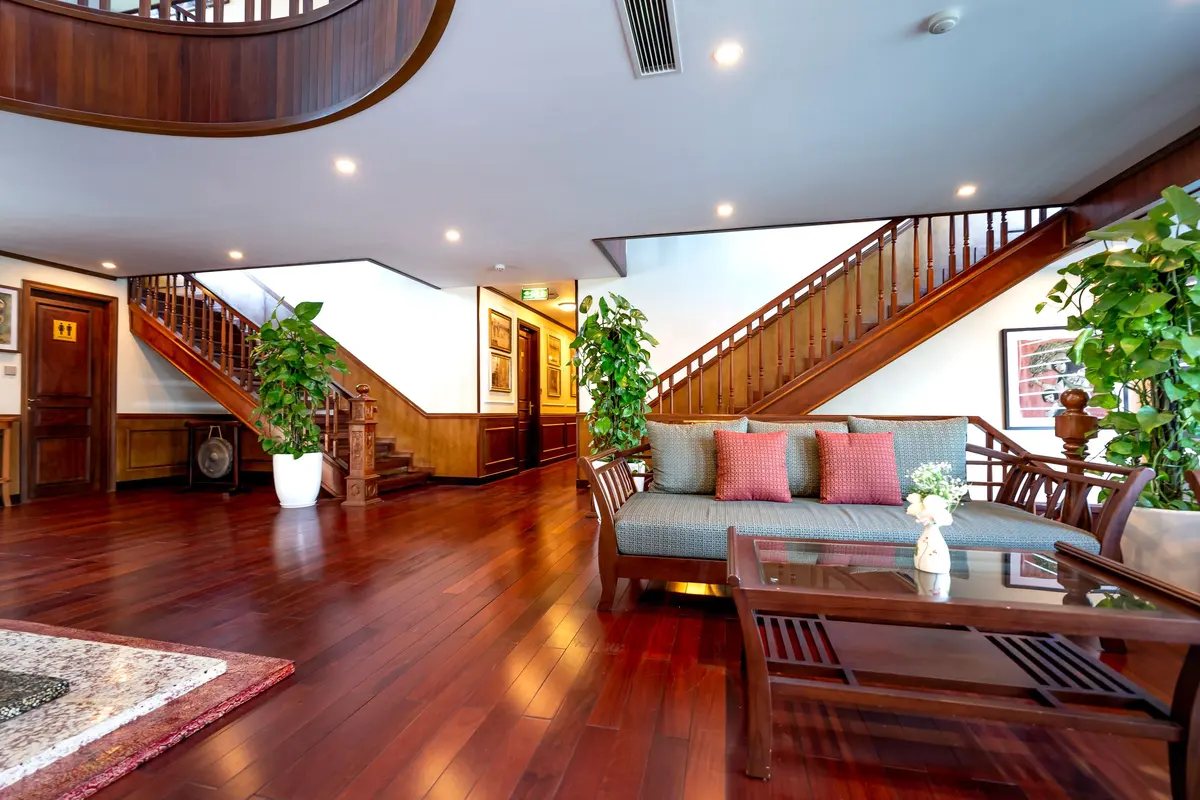
Dark floors look rich and dramatic, especially in a large, bright room. They also show everything that is lighter than they are: dust, light-colored pet hair, dried water spots, salt residue and surface scratches. A dark floor in a busy house is a floor that looks dirty a day after it was cleaned.
Light floors make a room feel larger and brighter and hide dust and scratches well. They show what is darker than they are: tracked-in dirt, mud and dark pet hair. They can also feel stark in a room with a lot of white.
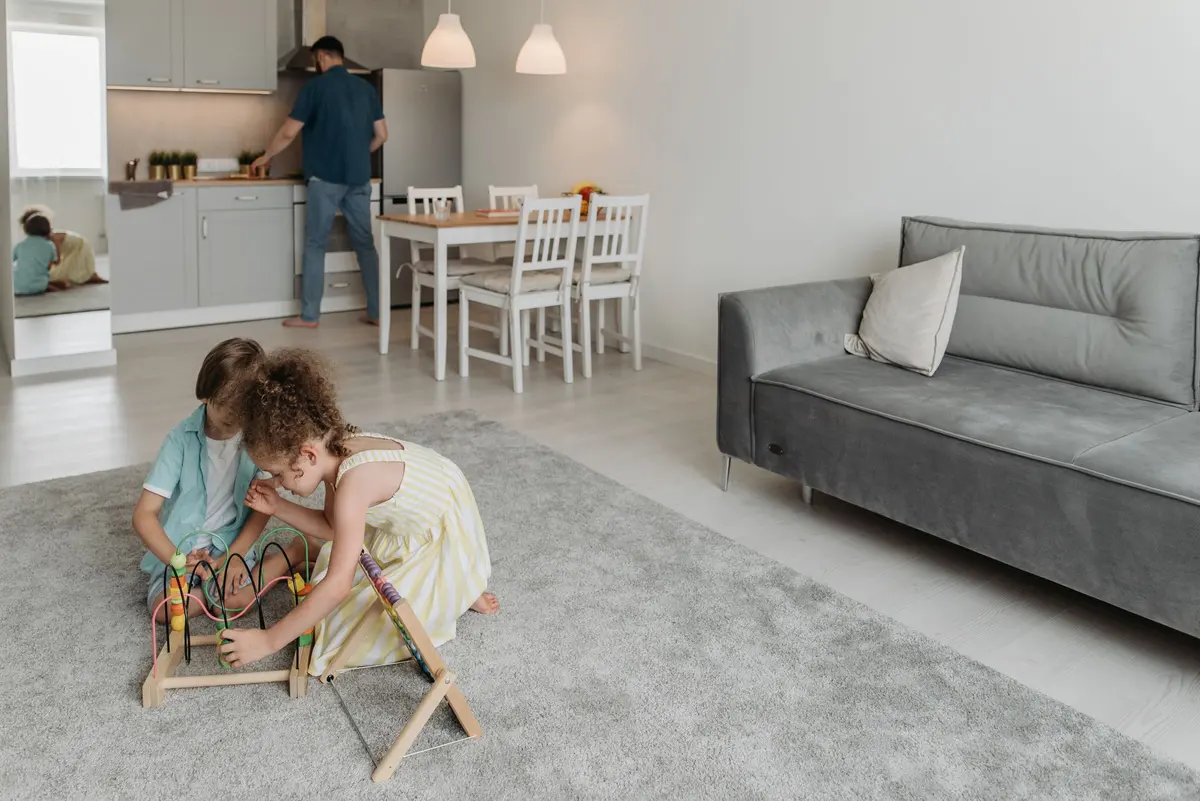
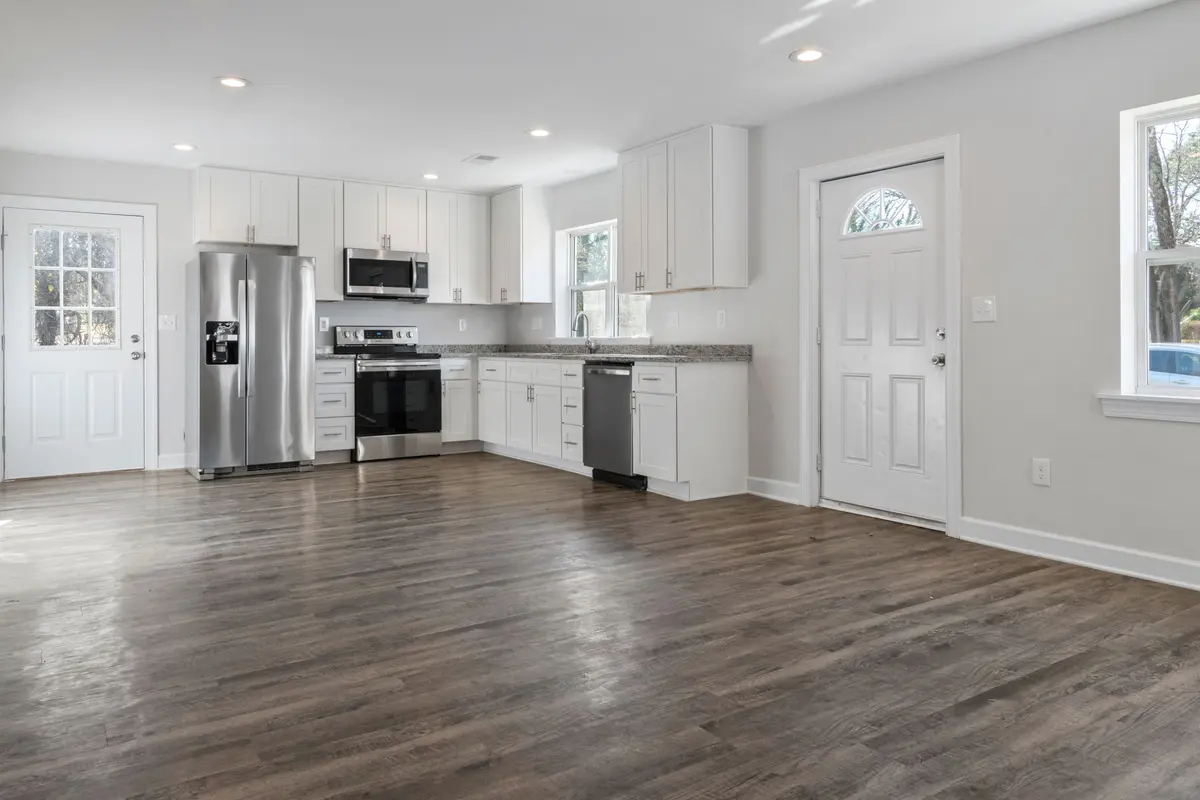
Mid-tone floors with some natural variation in the grain hide the most, because they are close to the color of everyday dirt and dust and the variation breaks up what shows. If the house has children, dogs or a lot of traffic, this is the range we point most people toward. Our pet flooring guide and our guide to flooring for young children both come to the same conclusion for the same reason.
Undertone matters more than shade
Two floors can be the same depth of color and look completely different in a room, because of the undertone underneath:
- Warm floors lean red, orange or yellow: honey oak, cherry, golden and caramel browns
- Cool floors lean gray or blue: the gray and gray-washed looks that dominated new builds for years
- Neutral floors sit between the two: natural, greige and true-brown tones
The undertone is what has to work with the fixed things in the house. Hold a sample against the cabinets, the countertops, the trim, the stair parts and the floor in the next room. When a floor color looks wrong and nobody can say why, an undertone that fights one of those is usually the reason.
Contrast with cabinets and furniture, do not match
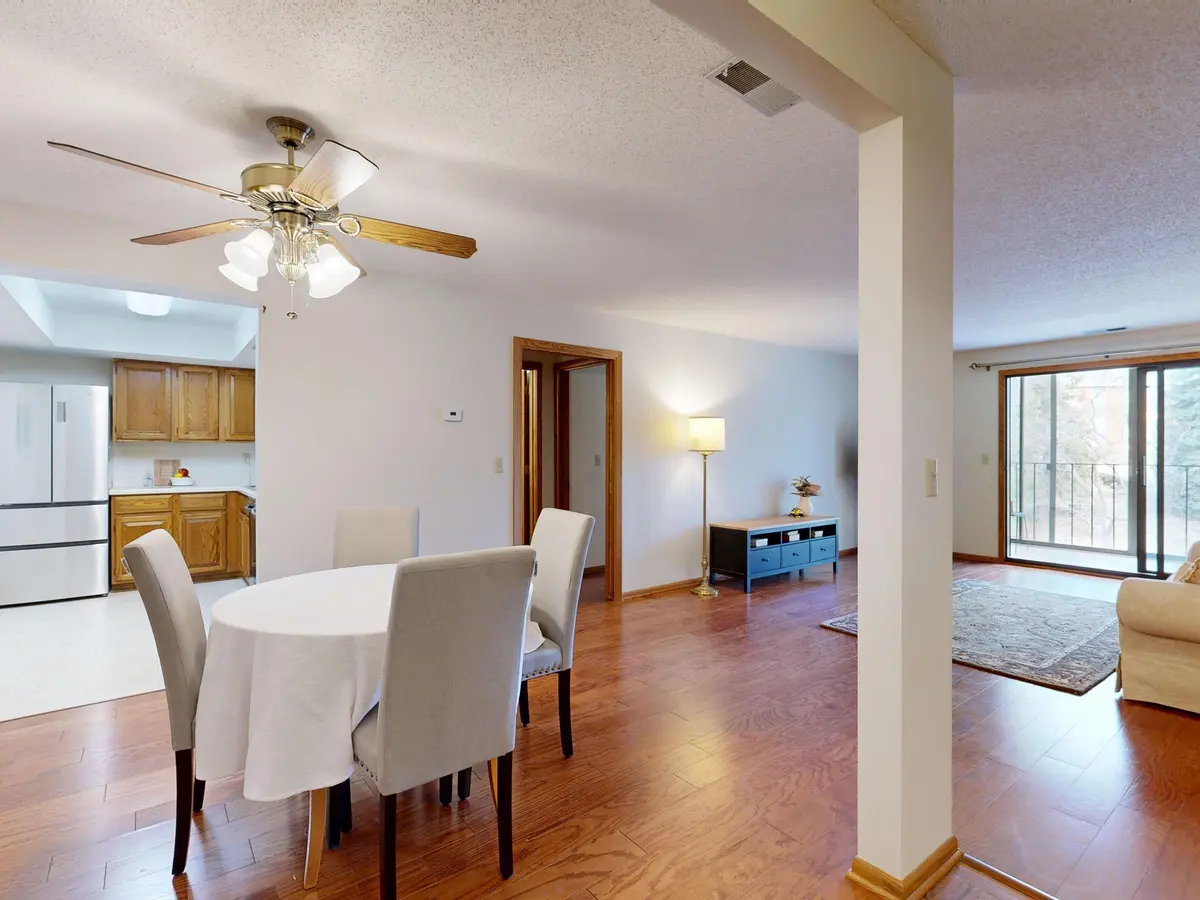
A wood-look floor that is almost but not quite the same color as the kitchen cabinets is the most common color mistake we see. The two surfaces end up looking like a near miss rather than a choice. Either go clearly lighter or clearly darker than the cabinets, so they read as two different materials that belong together.
The same applies to large wood furniture. A dark walnut dining table on a dark floor disappears; on a mid-tone or lighter floor it stands out the way it was meant to.
Look at it in your own light
Flooring color changes with light more than people expect. A sample that looks warm and golden under showroom lights can look flat and gray in a north-facing room on a January afternoon, and cool tones in particular can look cold in Ohio winter light. Floors also read a shade or two darker on the ground than they do upright on a display.
The only reliable test is in the room itself:
- Put the samples flat on the floor, not against a wall
- Use the largest samples available, or several planks side by side, so you see the variation between boards
- Look at them in the morning, in the evening and with the lights on at night
- Check them in every room the floor will run through, not only the brightest one
That is why we bring samples to your home rather than asking you to choose in a showroom. Seeing three or four options on your own floor narrows a decision quickly.
One color through the house, or several
A single floor color running through the main living areas makes a house feel larger and calmer, and it avoids the question of how two wood tones meet in a doorway. If you do want different floors in different rooms, keep them clearly different, such as carpet in the bedrooms against a wood-look plank in the living areas, rather than two wood tones that nearly match. How floors run between rooms covers where to change floors and how the transitions are handled.
Remember the stairs as well. Stair nosings and treads need to match or deliberately coordinate with the floors at the top and bottom, and not every product line makes a matching stair nose in every color. Our stair flooring guide explains why that matters.
How color works in each material
Luxury vinyl plank and laminate. The color is a printed image under a clear wear layer, so it will not change much over time, and what you see in the sample is what you get. Look at how often the pattern repeats: better products have more distinct plank designs, so the same knot does not appear every few boards. How to choose luxury vinyl plank and how to choose laminate flooring cover the rest of the specification.
Hardwood. The color comes from the species and the finish, and real wood changes with age and sunlight. Some species darken and warm noticeably over the years and others stay closer to how they started. Choosing a hardwood species explains how each one ages, which matters as much as the color on day one.
Carpet. Mid-tone colors with a little variation in the yarn hide everyday soiling far better than very light or very dark solids. How to choose carpet covers fiber and pile style.
Finish and texture change the color too
The sheen of a floor changes how its color reads. A high-gloss finish reflects light, makes a floor look darker and shows every scratch and footprint. A matte or low-sheen finish looks more natural and hides wear much better. A textured or wire-brushed surface adds a little shadow to the grain, which also helps hide scuffs.
Trends and resale
Floor colors do follow fashion. The cool gray floors that were everywhere in new construction for years have given way, in a lot of homes, to warmer and more natural tones. If you expect to sell in the next few years, a neutral mid-tone that works with many styles of furniture and paint is the safer choice. If this is your long-term house, choose what you like living with, and let the walls and furniture carry the trends, since they are much easier to change.
If you are replacing the original floors in a newer home, replacing builder-grade flooring covers what to upgrade beyond the color.
The short version
- Mid-tones with some grain variation hide the most dirt, dust and wear
- Match the undertone to the cabinets, counters, trim and the floors you are keeping
- Contrast with cabinets and large furniture rather than nearly matching them
- Decide in your own rooms, with samples flat on the floor, at different times of day
- Choose a matte or low-sheen finish for a busy house
When you are ready to see options in your own light, book a free in-home estimate. We bring samples of luxury vinyl plank, laminate, hardwood and carpet to your home, put them down in the rooms they are meant for, and help you narrow it down.