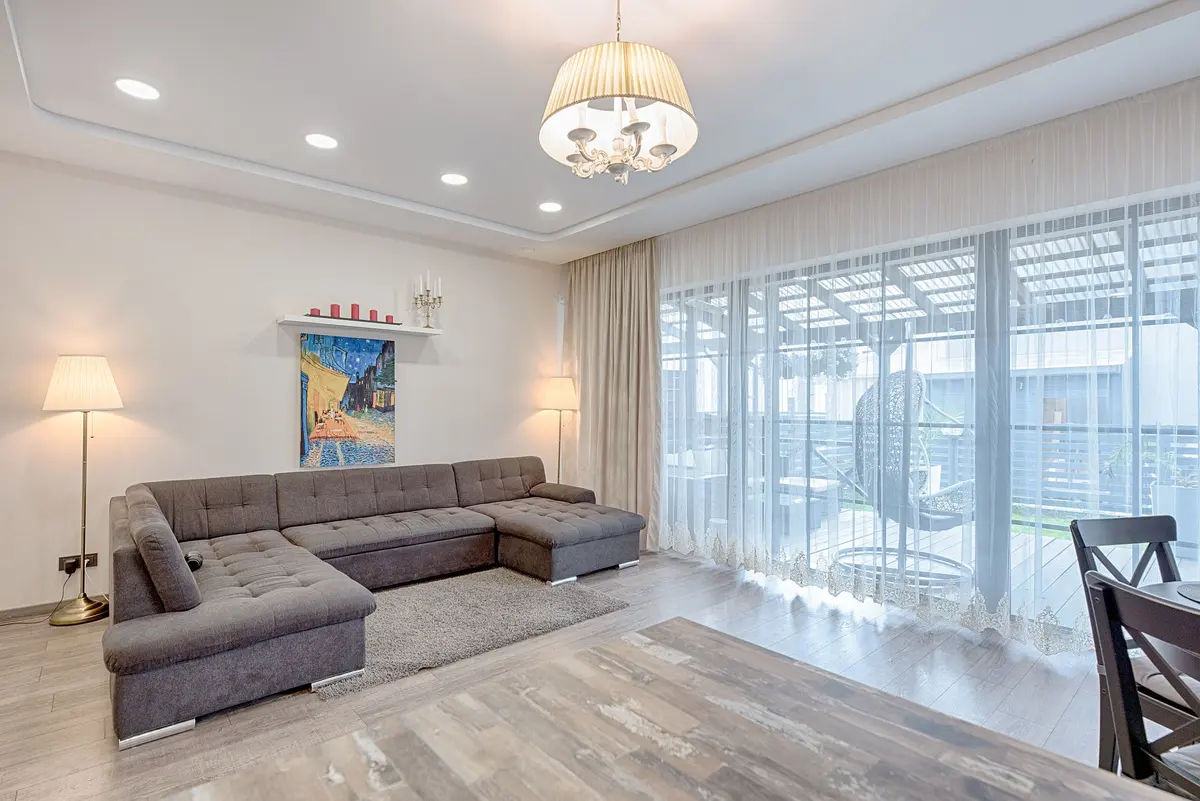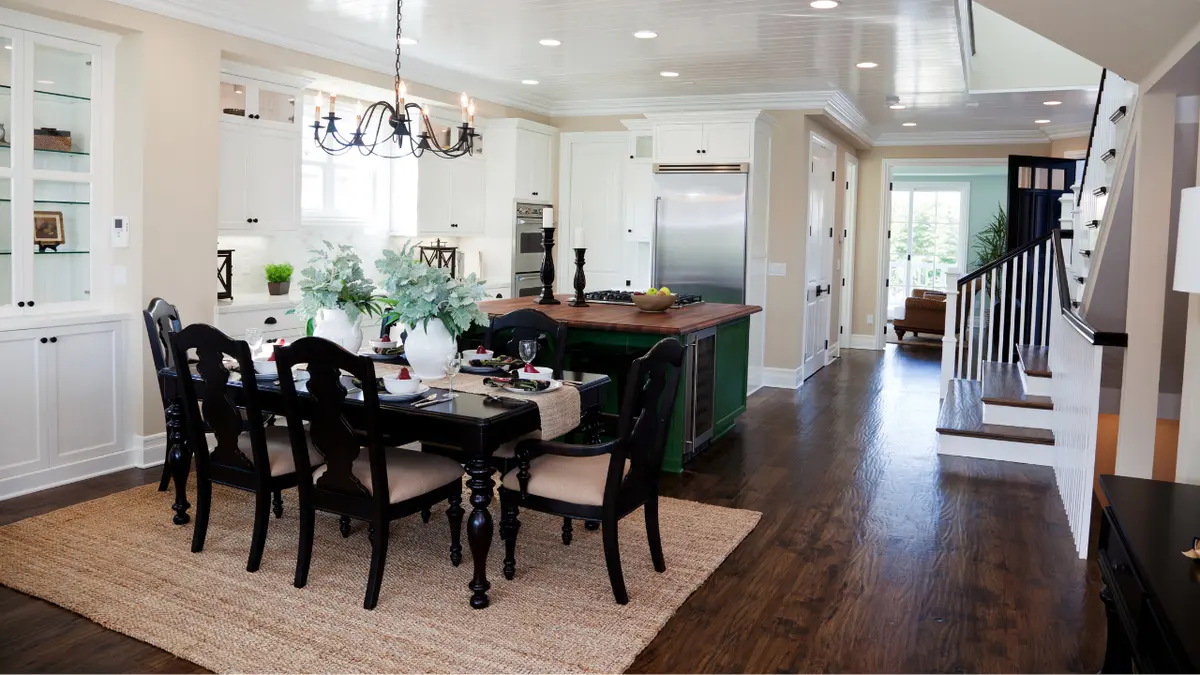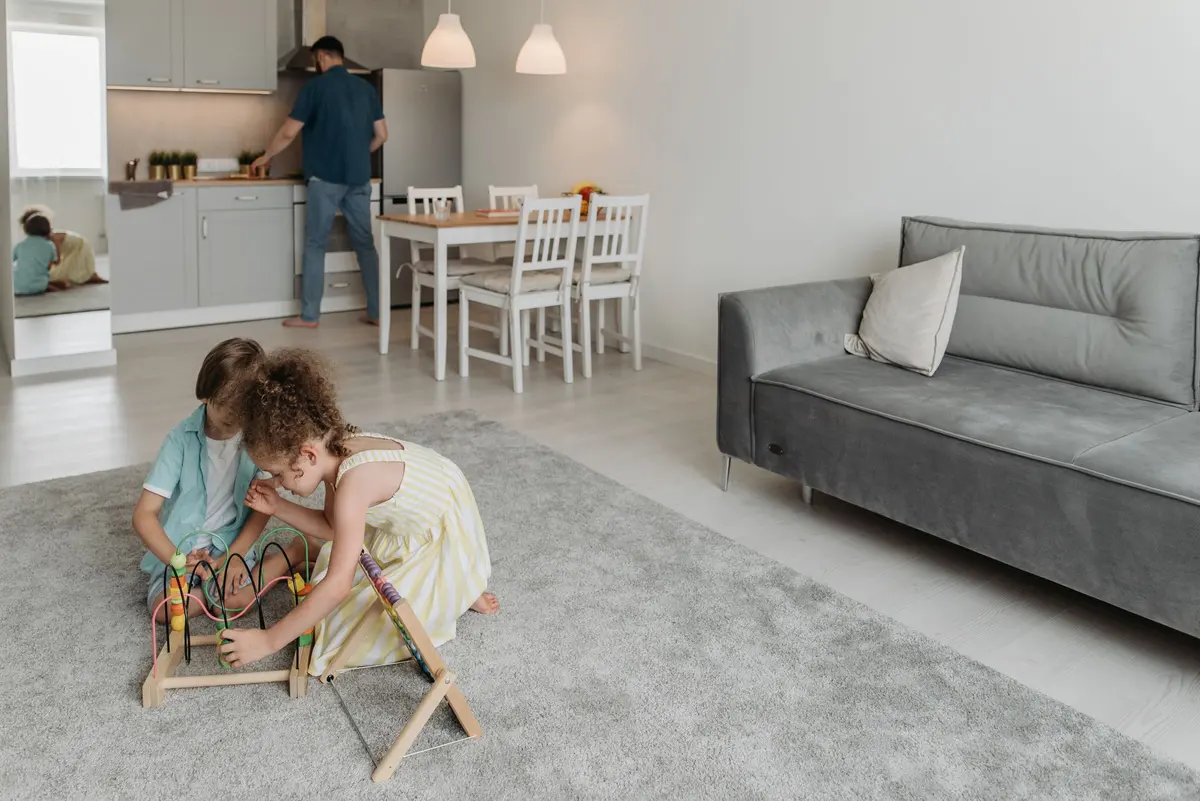
Laminate flooring has been around long enough that most people have an opinion of it, and a lot of those opinions were formed by a thin, hollow-sounding floor from twenty years ago. The product has changed. A good modern laminate is quieter, more convincing and far tougher than the one in that memory, and in the right rooms it is one of the best-value floors you can buy.
The catch is that laminate varies more between good and poor than almost any other flooring, and the differences are in numbers on the box that nobody explains. Here is what those numbers mean, and which ones are worth paying for.
What you are buying
A laminate plank is a high-density fiberboard core with a printed image of wood on top, sealed under a clear, very hard wear layer. The wear layer is what makes laminate so scratch-resistant: it is harder than a hardwood finish and harder than most vinyl.
The core is the limitation. Fiberboard is compressed wood fiber, and when it gets wet enough to swell, it does not shrink back. Everything below is about getting the most out of that hard top while keeping water away from that core.
1. The AC rating: match it to the room
Laminate carries an abrasion class rating from AC1 to AC5. It is one of the few flooring specifications that means something concrete, because it comes from standardized wear testing rather than a manufacturer's own adjectives.
- AC3 handles normal residential traffic comfortably, including living rooms and bedrooms
- AC4 is rated for light commercial use, and it is what we would put in a busy hallway, a family entrance or a home office with a rolling chair
- AC5 is rated for heavier commercial traffic
AC1 and AC2 are rarely worth considering for a floor that will be walked on daily.
The useful rule is to match the rating to the room rather than buying one specification for the whole house. Paying for AC5 in a guest bedroom is money spent on nothing. Putting AC3 in the main artery of a house with three children and a dog is a false economy.
2. Thickness: comfort and sound, not durability
Residential laminate is commonly sold in thicknesses from about 7 to 12 millimeters. It is easy to assume thicker means tougher. It does not: the wear layer does the wearing, and it is the same thin layer on a 7 mm plank and a 12 mm one.
What thickness does buy is feel. A thicker plank is stiffer, so it sounds more solid underfoot, feels less hollow, and bridges very small subfloor imperfections more forgivingly. On a large open floor, or upstairs where footfall noise carries to the rooms below, that is worth paying for. In a small spare room it matters much less.
It is not a substitute for a flat subfloor. A floating floor over a real dip does not follow it, it spans it, and the joint over that hollow is the one that eventually clicks underfoot and then fails.
3. Water resistance: read the warranty, not the box
Modern water-resistant laminates seal the surface and the edges well enough to shrug off a spill that gets wiped up, which is a real improvement over older products. Some manufacturers state how long their floor will hold out against standing water on the surface.
Read that claim for what it is: a time limit. A spill mopped up after dinner is fine. A dishwasher that leaks overnight, or water that finds a seam and sits there, is still the thing that ends a laminate floor. Waterproof versus water-resistant goes through the difference in detail, and how to clean laminate floors covers the everyday care that keeps water out of the seams.
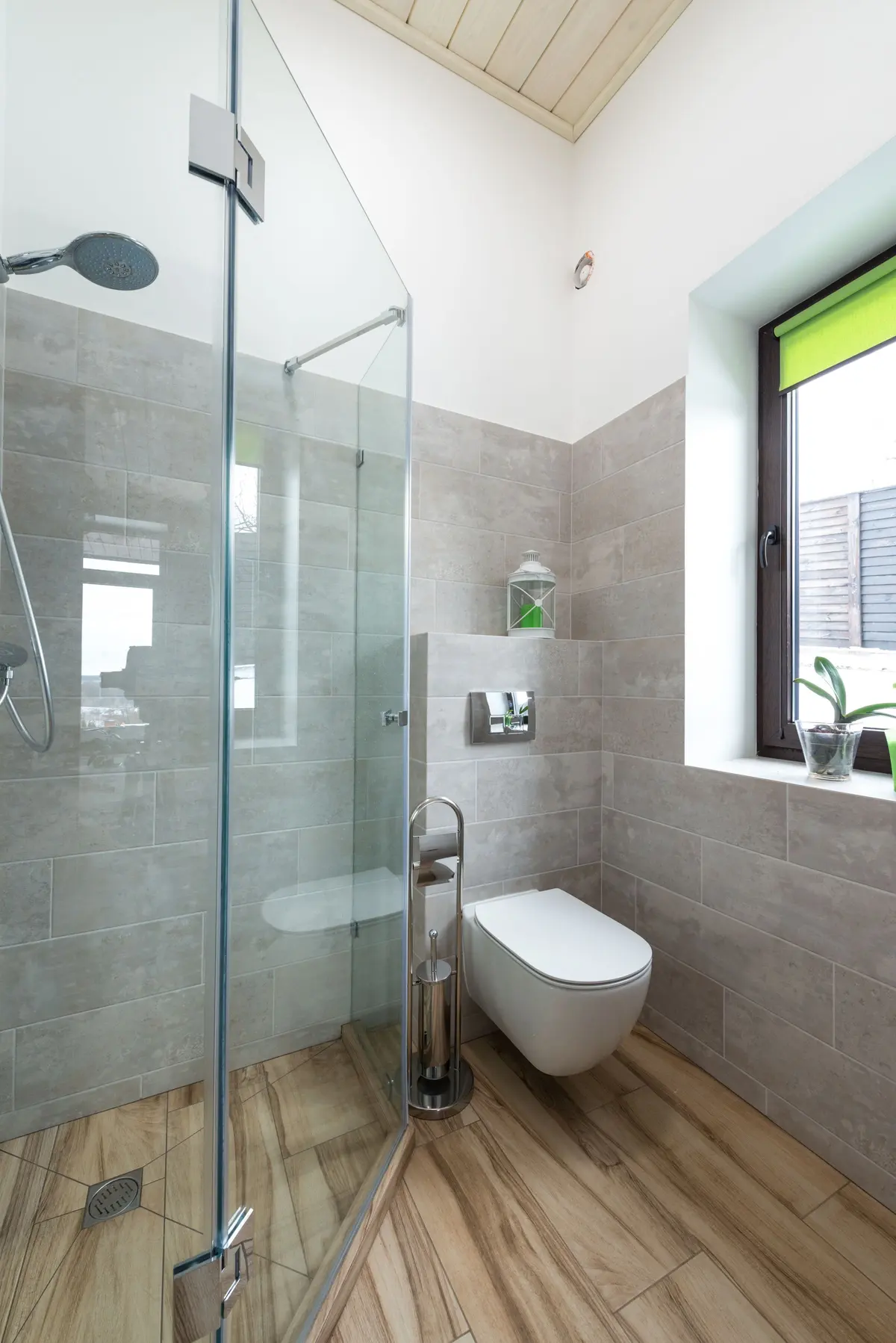
In practice, that means laminate belongs in the dry, busy rooms: family rooms, bedrooms, hallways, dining rooms and offices. Kitchens with a dishwasher, bathrooms, laundry rooms, mudrooms and basements are luxury vinyl plank territory, and LVP versus laminate covers that choice room by room.
4. The underlayment is part of the floor
Laminate floats. It is not fastened to the subfloor; it rests on an underlayment and locks to itself. That makes the underlayment do real work:
- It smooths out minor variation in the subfloor
- It does most of the acoustic work, which decides whether the floor sounds solid or clicky
- Over concrete, it carries the vapor barrier that keeps moisture from the slab away from the fiberboard core
Some planks come with an underlayment attached; others need a separate one. Either can be right, but they should not be doubled up unless the manufacturer allows it, because too much cushion under a click-together floor lets the joints flex and wear. The manufacturer's installation instructions specify what is allowed, and following them is also what keeps the warranty valid.
5. Surface texture and edges
The best laminates have a surface texture that follows the printed grain, so the knots and grain you see are also the ones you feel. It is the single biggest thing that separates a convincing laminate from a flat, photographic one, and it also helps hide scuffs.
Edges come in two broad styles. Beveled or micro-beveled edges give each plank a defined outline, which looks more like real wood and disguises tiny height differences between boards. Square edges give a smoother, more continuous surface that is slightly easier to sweep. Neither is better. It is a matter of the look you want.
6. Plank size and the room
Longer and wider planks read calmer and more contemporary, and they suit large open rooms. Narrower planks suit smaller and more traditional rooms.
Large rooms bring one practical point. A floating floor has to be able to move as a single sheet, which means an expansion gap at every wall and fixed object, and on long runs sometimes an expansion joint partway across. Manufacturers set limits on how far a floor can run uninterrupted, and it is far better to plan those joints at the estimate than to discover them halfway through the install. How floors run between rooms covers where those joints and transitions go.
What laminate costs installed
Professionally installed at 500 square feet, laminate through Highmark runs from $3,000 to $5,000 depending on quality level. That covers the flooring and the installation, and our project pricing also includes the underlayment, removal of the old floor, standard furniture moving and transitions on most projects. Our pricing page has the full ranges.
Because laminate floats, it can sometimes go over a suitable existing floor without a full tear-out. Whether yours is suitable is a question for the subfloor, and going over an existing floor explains how we decide.
The short version
- Choose the AC rating for the room: AC3 for most of the house, AC4 for the hard-working hallways and entries
- Pay for thickness where you want a solid, quiet feel, not for durability
- Keep laminate in dry rooms and read the water-resistance claim as a time limit
- Take the underlayment as seriously as the plank
- Choose a textured surface that follows the grain if realism matters to you
If you want to see the difference between a good laminate and a poor one, it takes about ten seconds with both samples on your own floor. For laminate flooring in Licking County or the Columbus area, book a free in-home estimate. We bring laminate and vinyl plank samples to the house and tell you honestly which rooms each one suits.