Choosing carpet usually starts with running a hand across a row of samples and picking the softest one. It is an understandable way to shop and the most common reason people are disappointed a few years later, because softness is the one property a sample shows well and the one that says least about how the carpet will wear.
A carpet is really three decisions: the fiber it is made from, the way that fiber is built into pile, and how much of it there is. Here is what each one means, and how to match them to the room.
Start with the room, not the sample
Before looking at any carpet, answer three questions about the room it is going in:
- How much traffic? A hallway or a stair run that the whole family uses every day is a different job from a guest bedroom
- Pets, children, food? Claws, spills and accidents change the fiber and the backing you want
- How much sun? A south-facing room fades colors that a north-facing one never will
A primary bedroom can have the softest carpet you like. The family room with the dog and the stairs everyone runs up need something built to recover.
The fibers, and what each is good at
Almost all residential carpet is one of three synthetic fibers, or wool.
- Nylon: the most resilient fiber, meaning it springs back best after being walked on or flattened under furniture. It is the safe choice for stairs, hallways and family rooms. Most nylon relies on an applied stain treatment, so a quality treatment matters
- Polyester: soft, rich in color and naturally resistant to many water-based stains, usually at a lower price. It is less resilient than nylon, so it suits bedrooms and lower-traffic rooms better than stairs and main walkways
- Triexta: a newer polyester-family fiber that sits between the two. It is soft, inherently stain-resistant and more resilient than standard polyester, which makes it a strong choice for households with pets and children
- Wool: the natural fiber. It feels and ages beautifully, and it is the most expensive. It is also less forgiving of some stains and cleaning products, so it rewards a household that will look after it
None of these is the wrong answer everywhere. The mistake is choosing one fiber for the whole house when the bedrooms and the stairs are asking for different things.
Solution-dyed or not
How the color gets into the fiber matters as much as the fiber itself. Solution-dyed fiber has the color added before the strand is formed, so the color runs all the way through, like a carrot rather than a radish. It resists fading in sunlight and can be cleaned aggressively without losing color, which is why it is common in pet-friendly lines.
Carpet dyed after the fiber is made comes in a wider range of colors, but the color sits more on the surface, and strong cleaners or bleach can take it out.
Pile styles
The same fiber can be built into very different carpets. The common styles:
- Plush or Saxony: cut pile with a smooth, even, velvety surface. Formal and soft, and it shows footprints and vacuum marks. Best in bedrooms and rooms that are not crossed constantly
- Textured: cut pile with yarns twisted at slightly different heights. It hides footprints, vacuum marks and some soiling, which is why it is the most popular style in family homes
- Frieze: tightly twisted yarns that curl over, giving a casual, slightly shaggy look. It is very good at hiding wear and suits busy rooms and stairs
- Loop pile, including Berber: uncut loops that are durable and resist crushing, good in basements, offices and rec rooms. Loops can snag, and a cat or dog with claws can pull a loop into a run that cannot be repaired invisibly, so we steer pet households away from it
- Cut and loop: a mix of cut and looped yarns that creates a pattern. Patterns hide soiling well, and the same snagging caution applies to the loops
Face weight, density and twist
Carpet labels carry numbers, and they are not equally useful.
Face weight is the weight of fiber per square yard, in ounces. It is the number most often quoted, and it can mislead. A tall, loosely packed carpet can have a high face weight and still crush quickly, because what keeps a carpet upright is how closely the yarns are packed, not how much yarn there is.
Density is that packing. A dense carpet wears better than a tall one with the same face weight. The quick test is to bend a sample backward: if you can see the backing easily between the tufts, it is low density and will mat down in traffic. What carpet costs installed explains how density changes the price.
Twist is how tightly each yarn is twisted. Tight, well-defined twists hold their shape far longer than loose ones, and a sample whose yarn tips have already started to open up will look worn early.
When comparing two carpets, compare density and twist first and face weight last.
The cushion and the backing
What goes under the carpet decides how long it lasts. The cushion carries the impact of every step, and a carpet over an inadequate one wears out from underneath, years early. Most carpet wear warranties also depend on the right cushion being used. Our carpet padding guide goes through the types, densities and thicknesses.
For pet households, a moisture-resistant backing or cushion stops an accident that gets through the carpet from reaching the pad and the subfloor. No carpet is waterproof, but that layer buys time to clean up properly.
On qualifying residential carpet purchases with professional installation, we upgrade you to a selected premium memory foam cushion at no charge. Product and minimum-purchase requirements apply and we confirm them at your consultation.
Matching carpet to the room
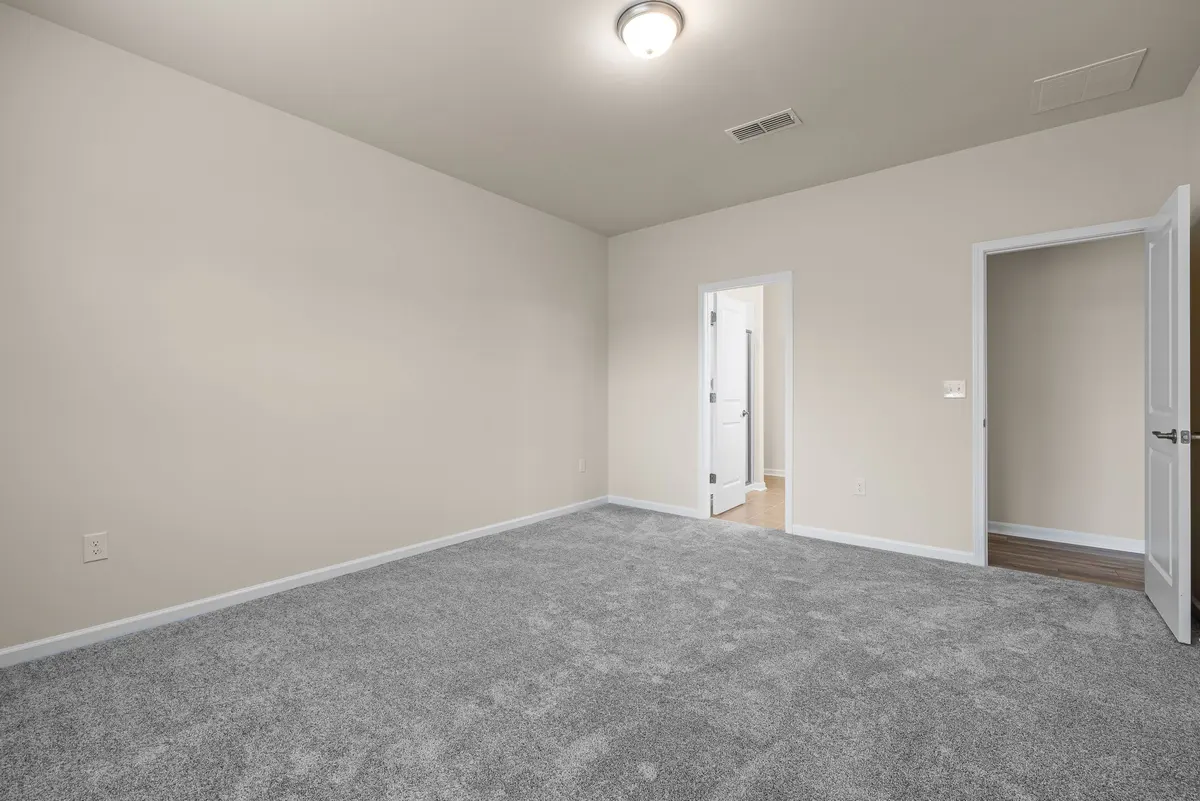
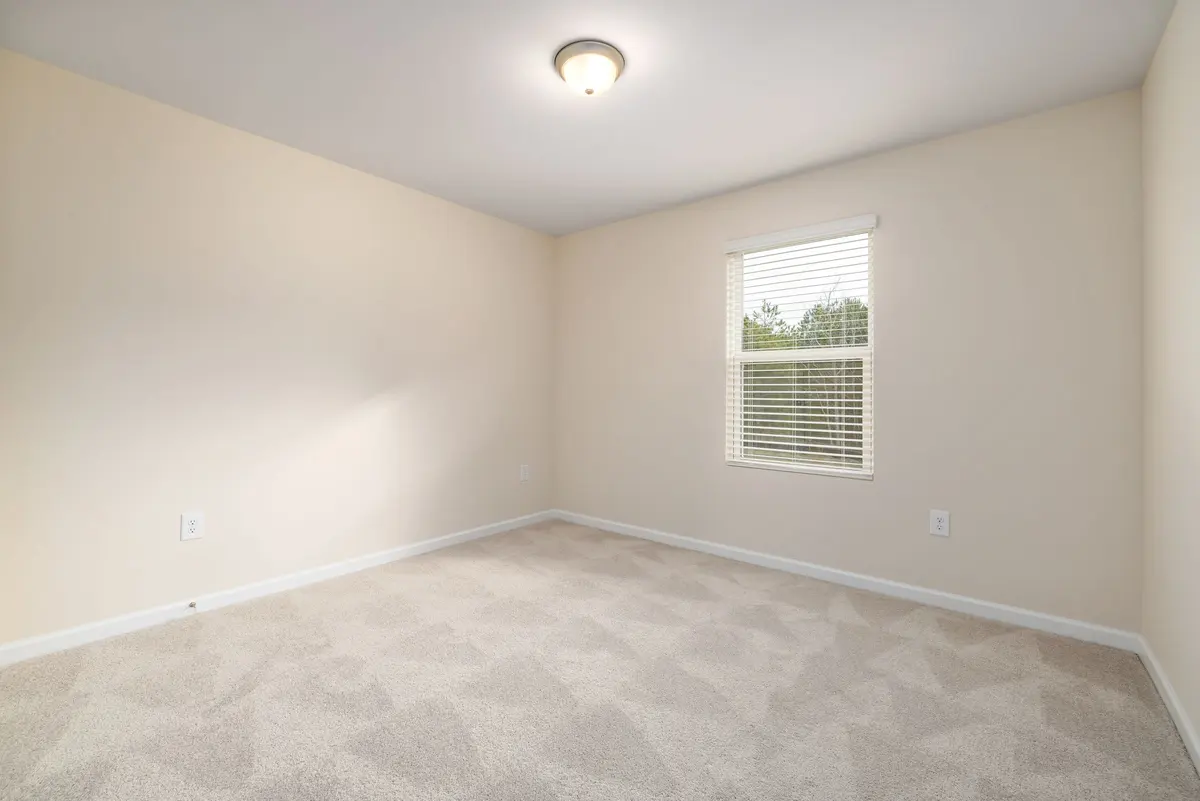
- Primary and guest bedrooms: the place for the softest constructions, including plush, polyester and wool
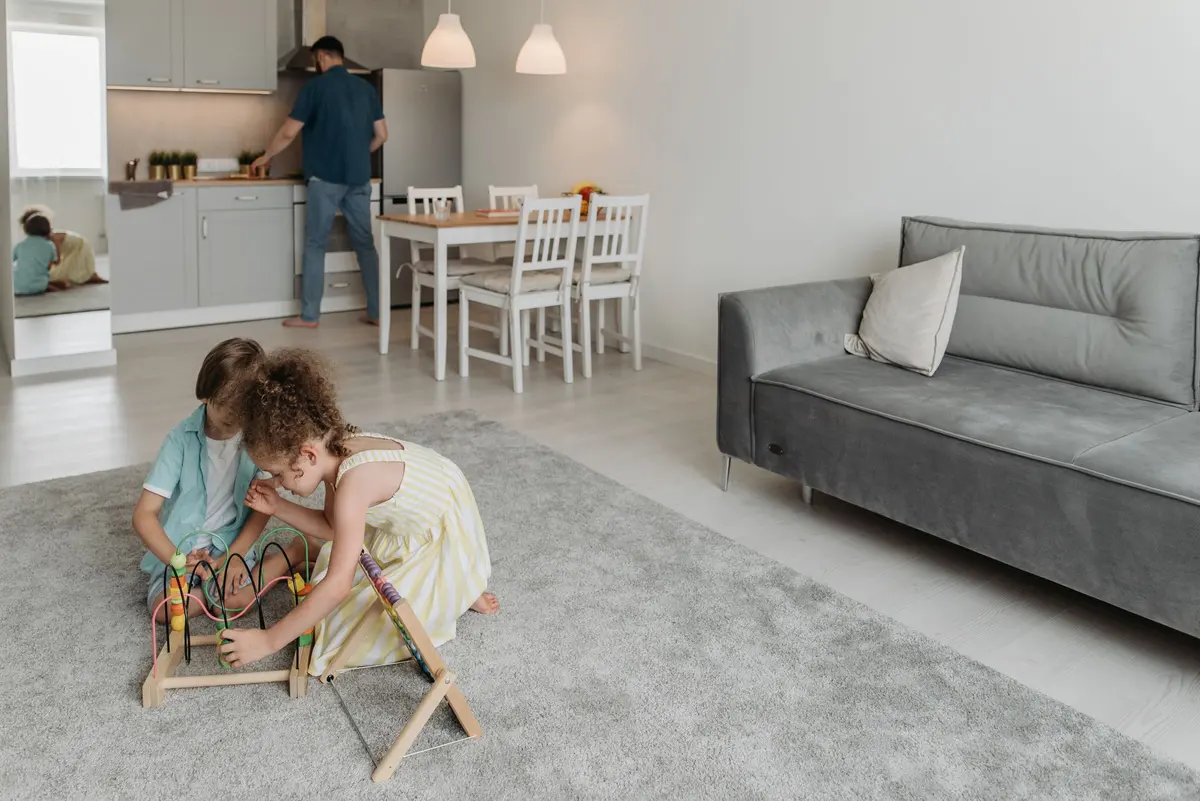
- Family rooms and children's rooms: textured or frieze, in nylon or triexta, with a stain-resistant or solution-dyed fiber. Our guide to flooring for young children covers the rest of a family house
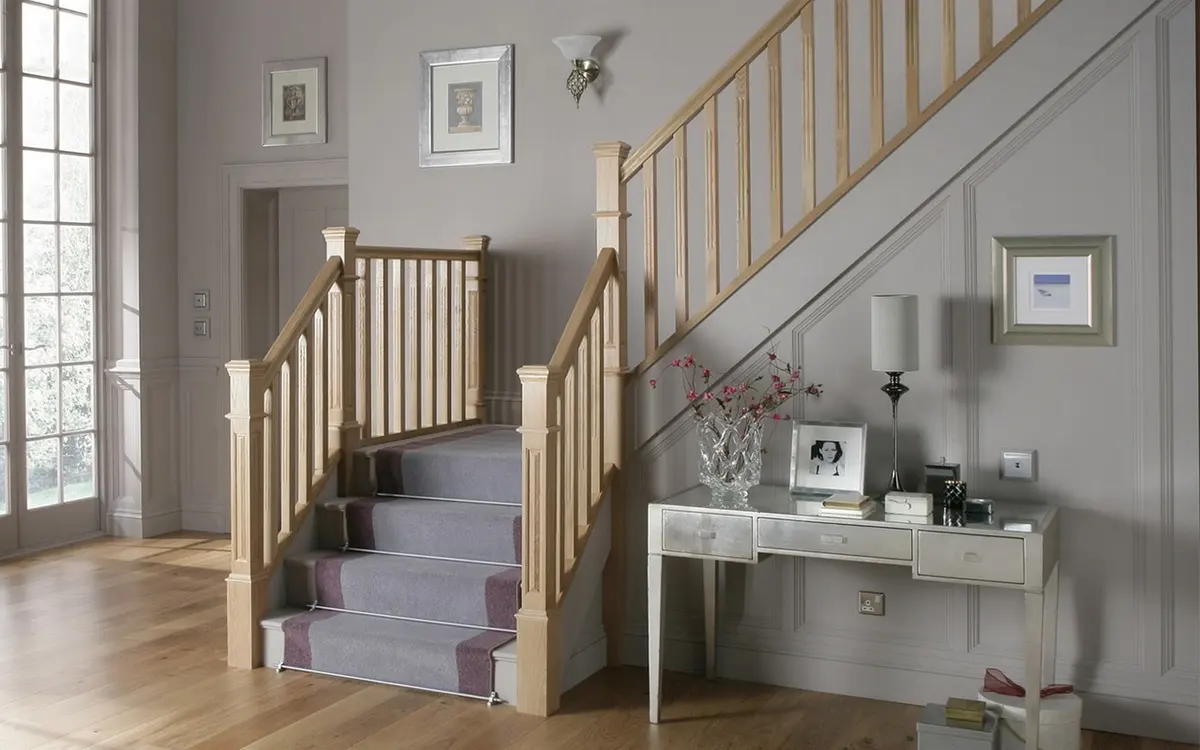
- Stairs and hallways: nylon in a dense textured, frieze or tight construction, because stairs wear on the nose of every tread. Our stair flooring guide covers stairs in detail
- Basements: only over a dry slab, with a cushion that will not hold moisture. Loop pile works well if there are no pets
- Homes with pets: triexta or solution-dyed fibers, cut pile rather than loop, and a moisture-resistant cushion. Our pet flooring guide compares carpet with the hard-surface options
Color, at home
Carpet color reads differently on the floor than it does upright on a rack, usually a shade or two darker, and Ohio rooms in winter light are unforgiving to cool tones. Mid-tone colors with a little variation in the yarn hide everyday soiling far better than very light or very dark solids. How to choose a flooring color covers undertones and light for every kind of floor, and how to care for carpet covers keeping a new carpet looking that way.
The only reliable way to choose is with the samples on your own floor, looked at in the morning and again in the evening. That is why we bring them to you. For carpet installation in Licking County or the Columbus area, book a free in-home estimate, and if you are still deciding between soft and hard flooring, carpet versus luxury vinyl plank goes through it room by room.