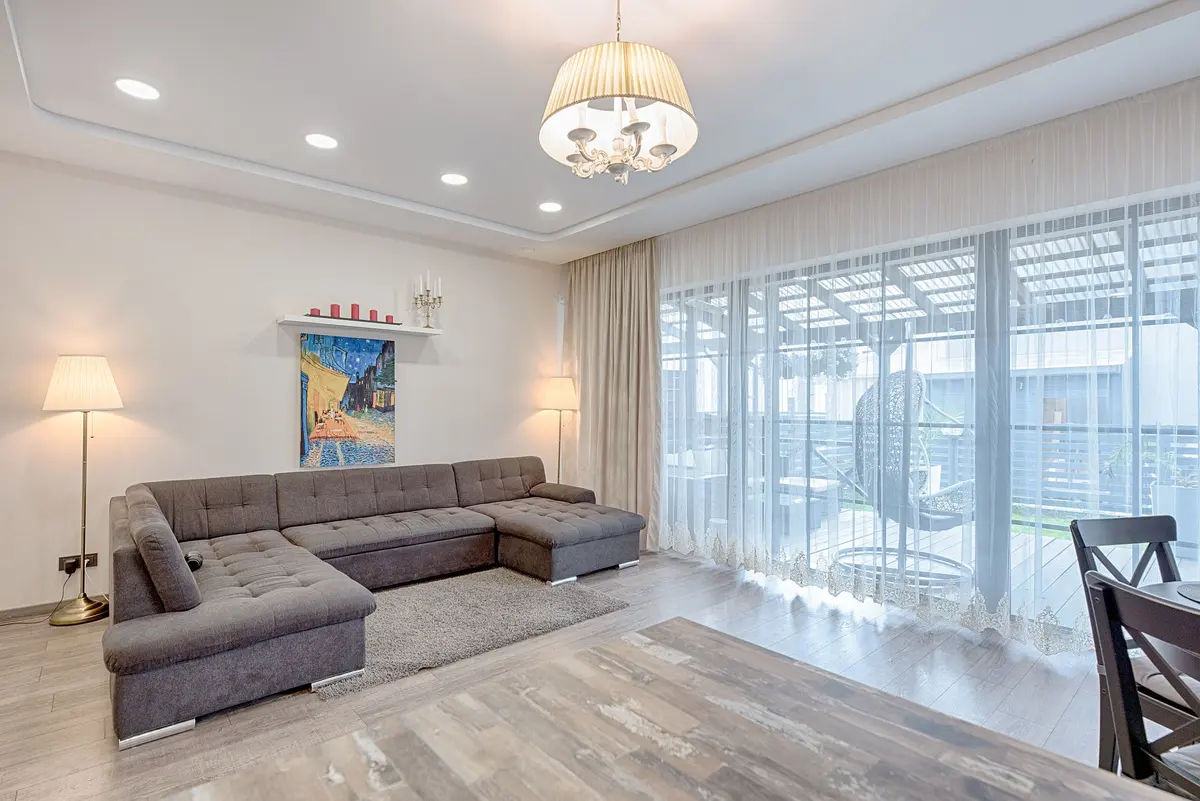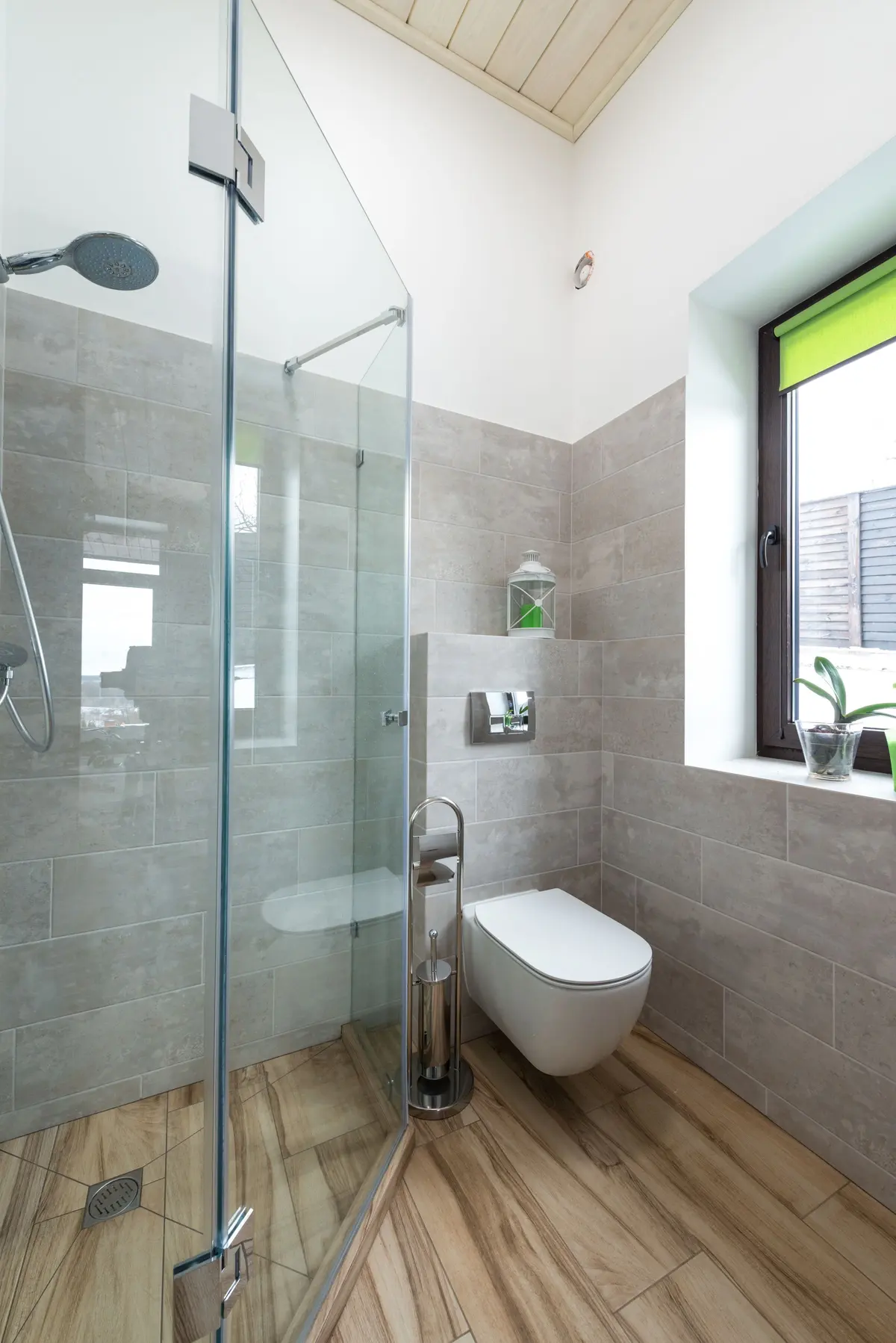
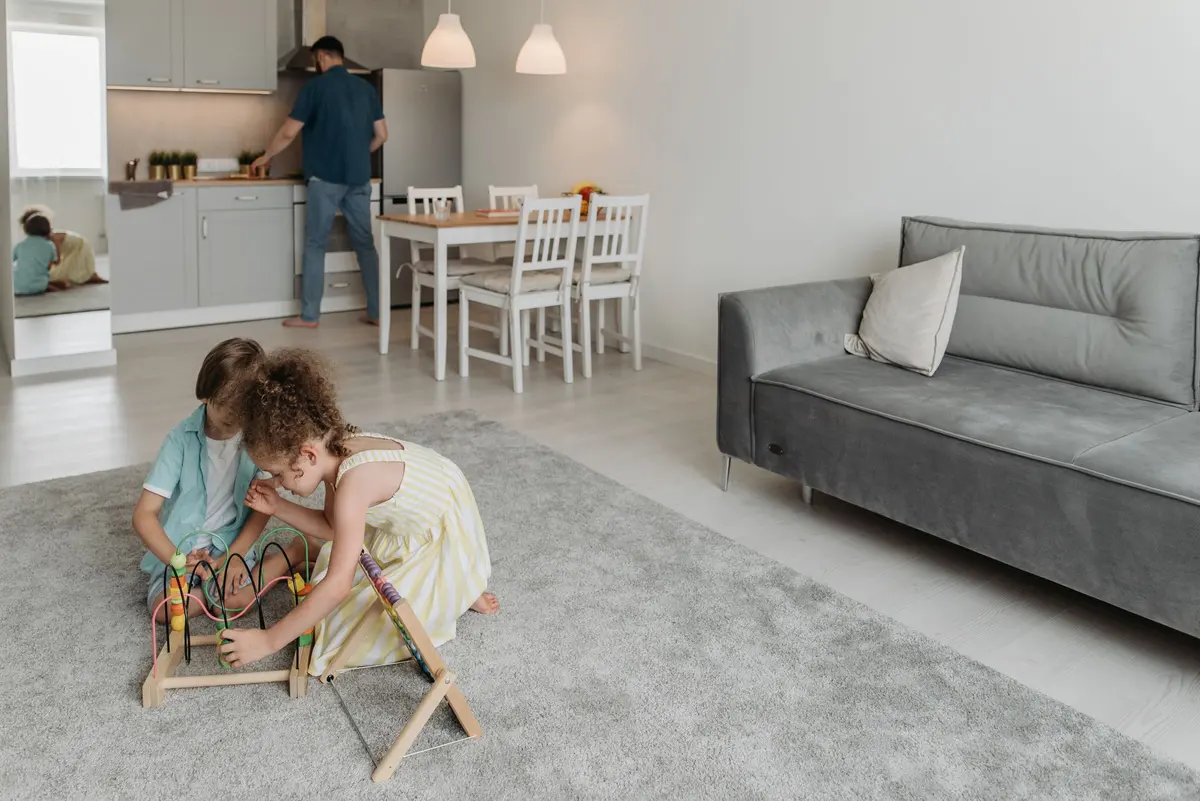
Luxury vinyl plank is the floor we are asked about most for kitchens, entries, basements and houses with pets, and it is also the floor with the widest gap between a good product and a poor one. Two planks can look almost identical on a sample board and behave completely differently three years later in front of the kitchen sink.
The difference is in a handful of specifications printed on the box that are rarely explained. Here is what each one means, and which ones are worth paying for.
What a vinyl plank is made of
A luxury vinyl plank is a layered product. From the top down:
- The wear layer: a clear protective layer, measured in mils, usually with a factory finish that sets the sheen
- The print layer: a high-resolution image of wood
- The core: the body of the plank, which decides how rigid it is and how it feels underfoot
- The backing or attached pad: on many products, a thin underlayment bonded to the bottom
The print is what you notice on a sample board. The wear layer and the core are what decide whether you still like the floor in year ten.
1. The wear layer: the number that matters most
The wear layer takes every footstep, every dragged chair and every claw. It is measured in mils, thousandths of an inch, and it is the single most useful number on the box. It matters more than the brand and more than the thickness of the plank.
A practical guide by room:
- 6 to 8 mil: fine for a guest room, a closet or a rental refresh. In a kitchen it shows dull lanes in front of the sink and the fridge within a few years
- 12 mil: a good bedroom and living room product for most households
- 20 mil: what belongs in a kitchen, an entry, a mudroom, and anywhere a large dog lives
Vinyl cannot be sanded and refinished the way hardwood can. Once the wear layer is worn through in a traffic lane, the print underneath starts to go, and the fix is new planks. That is why the wear layer upgrade is usually the best-value money in a vinyl floor, and why our guide to flooring for pets puts it first.
2. The core: rigid or flexible
The core decides how the floor feels, how much it forgives the subfloor, and how it copes with temperature swings.
- Rigid SPC (stone plastic composite): dense and dimensionally stable. It is the sensible choice over a concrete slab, in a sunny room that heats up in the afternoon, and anywhere the temperature swings. It is the least forgiving of a wavy subfloor, because a rigid plank bridges a dip rather than following it
- WPC and other softer cores: warmer and quieter underfoot and more forgiving of minor subfloor variation, at the cost of denting more easily under a heavy point load such as a fridge or a piano leg
- Flexible glue-down vinyl: thin and very stable once bonded. It follows the subfloor exactly, so the subfloor has to be close to perfect
On a basement slab, rigid SPC is almost always the right answer. On an upper floor in an older house, a softer core can be the better trade. Our basement flooring guide goes further into what happens below grade.
3. Thickness: feel and sound, not durability
Most residential vinyl plank is between about four and seven millimeters thick. It is easy to assume thicker means tougher. It does not. The wear layer does the wearing, and a 7 mm plank with a 6 mil wear layer will scratch through sooner than a 5 mm plank with a 20 mil one.
What thickness buys is a more solid feel and a quieter floor, which matters on a large open main floor or upstairs where footsteps carry to the rooms below. What it does not buy is a way around the subfloor. Vinyl is thin, and thin floors show whatever is underneath them. Every dip, ridge and high spot reads through, which is why the preparation is most of the job. Seven signs your subfloor needs work covers what we look for.
4. Waterproof means the plank, not the floor
Most rigid-core vinyl plank is sold as waterproof, and the plank itself genuinely is. It can sit in a puddle and be fine.
What the label does not cover is the seams, the perimeter and the subfloor underneath. Water that gets past the edges of the floor, from a dishwasher leak or a toilet supply line, can still sit on the subfloor, and a wood subfloor does not share the plank's indifference to water. Waterproof versus water-resistant explains what the labels actually promise and what protects the rest of the floor.
5. Underlayment and the attached pad
Many planks come with a pad bonded to the back. That pad is designed around the plank, and in most cases adding a second, separate underlayment under it is not allowed, because too much cushion lets the click joints flex and fail. Over concrete, the question is the vapor barrier, and the manufacturer's installation instructions say exactly what goes underneath. Following them is also what keeps the product warranty valid.
6. Looks: texture, bevels and plank size
A few details separate a convincing vinyl floor from one that reads as vinyl from across the room:
- Embossed texture that follows the grain: the knots you see are also the ones you feel, and the texture helps hide scuffs
- Print repeat: cheaper products repeat the same few plank images often enough to spot. Lay out a dozen planks from different boxes and see how often the same knot appears
- Beveled edges: give each plank a defined outline, more like real wood, and disguise tiny height differences between boards
- Plank length and width: longer, wider planks read calmer and suit open rooms; narrower planks suit smaller and more traditional rooms
Color is the last decision and should be made in the room, not under store lighting. A gray that looks crisp on a display can look cold in a north-facing Ohio kitchen in January.
What luxury vinyl plank costs installed
Professionally installed at 500 square feet, luxury vinyl plank through Highmark runs from $2,500 to $7,500 depending on quality level. Our project pricing also includes removal of the old floor, standard furniture moving, subfloor preparation and transitions on most projects, and our pricing page has the full ranges.
Because vinyl plank floats, it can sometimes go over a suitable existing floor. Whether yours qualifies is a question for the subfloor, and installing LVP over existing flooring explains how we decide.
The short version
- Choose the wear layer for the room: 12 mil for bedrooms and living rooms, 20 mil for kitchens, entries and houses with big dogs
- Choose rigid SPC over concrete and in rooms with big temperature swings
- Pay for thickness for feel and sound, not durability
- Read "waterproof" as a promise about the plank, not the subfloor
- Do not double up underlayment unless the manufacturer allows it
If you are weighing vinyl plank against other floors, LVP versus laminate and hardwood versus luxury vinyl plank cover those choices, and what luxury vinyl plank costs installed breaks down the price at each quality level. For luxury vinyl plank installation in Licking County or the Columbus area, book a free in-home estimate. We bring samples to the house, so you can compare them on your own floor in your own light.