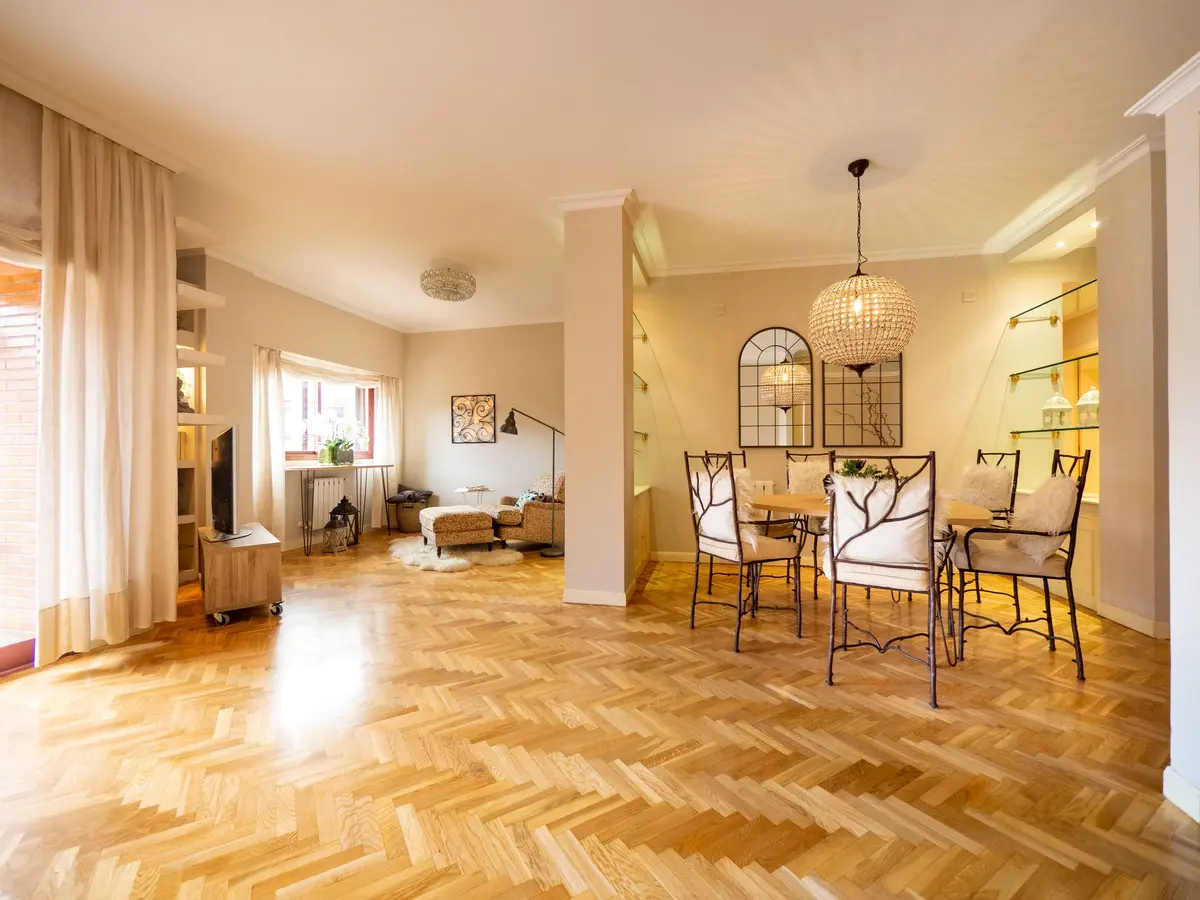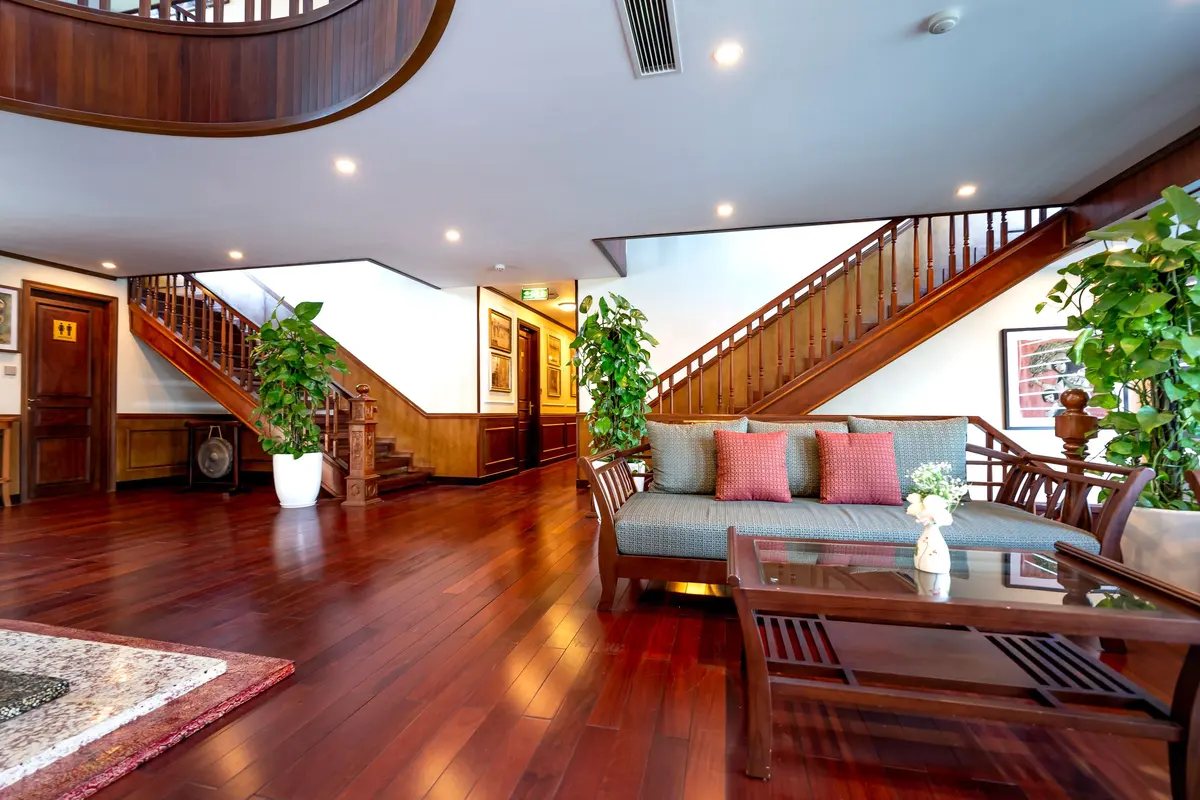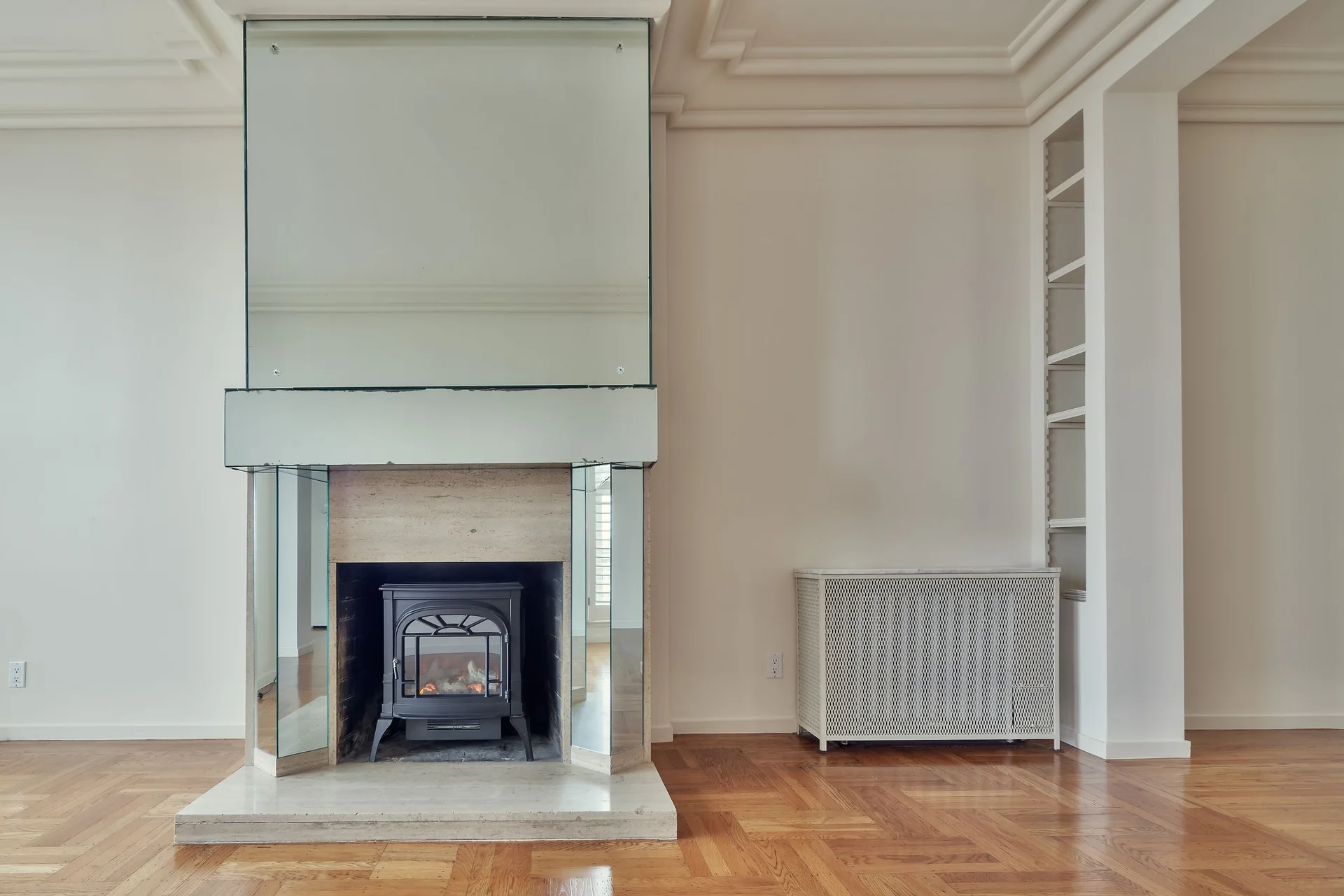
Hardwood has the widest price range of any floor we install. The same living room can be a four-thousand-dollar job or a fifteen-thousand-dollar one, and both are genuine hardwood floors, properly installed. The difference is the wood itself and what goes into getting it down.
Here is what hardwood costs installed, and what moves the number from one end of the range to the other.
Installed price by room size
These are professionally installed prices, covering the flooring, taking up the old floor, standard furniture moving, subfloor preparation and the installation:
- 250 square feet, about a dining room or a large bedroom: $1,875 to $7,500
- 500 square feet, a living and dining room together: $3,750 to $15,000
- 1,000 square feet, most of a main floor: $7,500 to $30,000
That works out to roughly $7.50 to $30 a square foot installed. The spread is quality level, and it splits four ways.
What the four levels cost
For 250, 500 and 1,000 square feet:
- Essential: $1,875 to $3,000, $3,750 to $6,000, and $7,500 to $12,000
- Preferred: $3,125 to $4,500, $6,250 to $9,000, and $12,500 to $18,000
- Signature: $4,625 to $5,500, $9,250 to $11,000, and $18,500 to $22,000
- Designer: $6,000 to $7,500, $12,000 to $15,000, and $24,000 to $30,000
Most households land somewhere in the middle two levels. The top of the range is where wide planks, premium species and distinctive finishes live.
What moves the price
Species
Red oak is the benchmark the industry measures other woods against, and it is usually the most economical place to start. White oak, hickory and maple generally cost more, and walnut and other premium species more again. Hardness matters as much as price: hickory and maple stand up to a busy house better than walnut or cherry, which mark more easily. Choosing a hardwood species compares how each one looks, wears and changes color over time.
Grade
Hardwood is graded by how much natural character each board shows. Clear and select grades, with few knots and little color variation, cost more than character or rustic grades with knots, mineral streaks and more variation. Character grades are not a lesser floor. They often hide everyday wear better than a very uniform one.
Plank width and length
Wide planks cost more per square foot than standard widths, because they come from larger, better-quality logs and more of each log is lost getting them out. Long boards cost more than short ones for the same reason. Wide planks also show seasonal movement more visibly, which is worth knowing before you choose. Why hardwood floors gap in winter explains what to expect.
Solid or engineered
Solid hardwood is three quarters of an inch of the same wood all the way through. Engineered hardwood is a real hardwood wear layer over a cross-laminated core. Engineered is not automatically the cheaper option. A thin-veneer engineered plank can cost less than solid, while a premium engineered plank with a thick wear layer can cost more.
The choice is usually made by the subfloor rather than the budget. Over concrete, in a basement or over radiant heat, engineered is the floor that belongs there. Engineered vs. solid hardwood goes through where each one can and cannot go.
Finish and texture
Factory finishes in matte and low sheens, wire-brushed and hand-scraped textures, and specialty stains sit toward the top of the range. Textured and low-sheen surfaces also hide scuffs far better than a glossy one, which makes them easier to live with.
The subfloor and moisture
In Central Ohio, moisture decides whether a wood floor stays flat. Indoor humidity swings hard between a humid summer and a dry, furnace-heated winter, and a wood floor moves with it. Before any hardwood goes down, the subfloor has to be checked for moisture, flatness and soundness, and the wood has to be given time to acclimate.
A dry, flat, sound subfloor needs very little. Soft spots, squeaks, high or low areas, or a moisture reading that is too high need attention first, and that is part of why a hardwood quote cannot be given over the phone. Seven signs your subfloor needs work covers what we check.
Stairs, transitions and layout
Wood stairs are where the craft shows, and they carry far more labor than their square footage suggests. Treads are scribed to the stringers, nosings have to match the floor they run into, and risers have to sit square in a staircase that is almost never square. Stairs are measured individually and priced on their own line, so make sure they are on any quote rather than discovered later. Our stair flooring guide covers the options.
Layout matters too. A thousand square feet in two open rooms goes down faster than the same area split across a hallway, closets and several doorways, and every place hardwood meets another floor needs a transition.
What an all-inclusive quote should show
When two hardwood quotes are far apart, check what each one includes before comparing the totals:
- Removal and disposal of the old floor
- Standard furniture moving
- Subfloor preparation and moisture testing
- Stairs, nosings and transitions
- Underlayment where the product calls for one
Our project pricing is all-inclusive: removal, standard furniture moving, prep and installation are on the proposal from the start.
Hardwood against the alternatives
For the same 500 square feet:
- Luxury vinyl plank runs $2,500 to $7,500, and gives you a wood look in the rooms where real wood is a bad idea: basements, mudrooms, and anywhere water arrives on a schedule (hardwood vs. luxury vinyl plank)
- Laminate runs $3,000 to $5,000, with a hard, scratch-resistant surface at a lower budget (how to choose laminate)
- Hardwood runs $3,750 to $15,000
What the extra money buys is the real thing. Hardwood ages rather than wears out, every board is different, and a well-fitted wood floor is one of the few things in a house that does not need replacing on a cycle. A solid floor can also be sanded and refinished several times over its life.
Where to spend and where to save
- Spend on hardness in a house with dogs or young children, where hickory, maple or white oak earns its price
- Spend on engineered construction where the subfloor calls for it, rather than forcing solid wood onto concrete
- Save with red oak and a character grade, which is still a beautiful, long-lasting floor
- Save by keeping hardwood to the main living areas and using luxury vinyl plank in the kitchen, mudroom and basement
- Never save on moisture testing and subfloor prep
The short version
- Hardwood runs roughly $7.50 to $30 a square foot installed, depending on quality level
- A 500 square foot project typically lands between $3,750 and $15,000
- Species, grade, plank width and construction are what move the price
- The subfloor and moisture conditions decide what can go down and what prep it needs
- Stairs are priced separately and carry real labor
You can compare all four materials on our pricing page. When you are ready for a real number, book a free in-home estimate. We bring hardwood samples to your home, check the subfloor, measure, and give you a full proposal. 0% financing is available through Synchrony Home on approved credit.