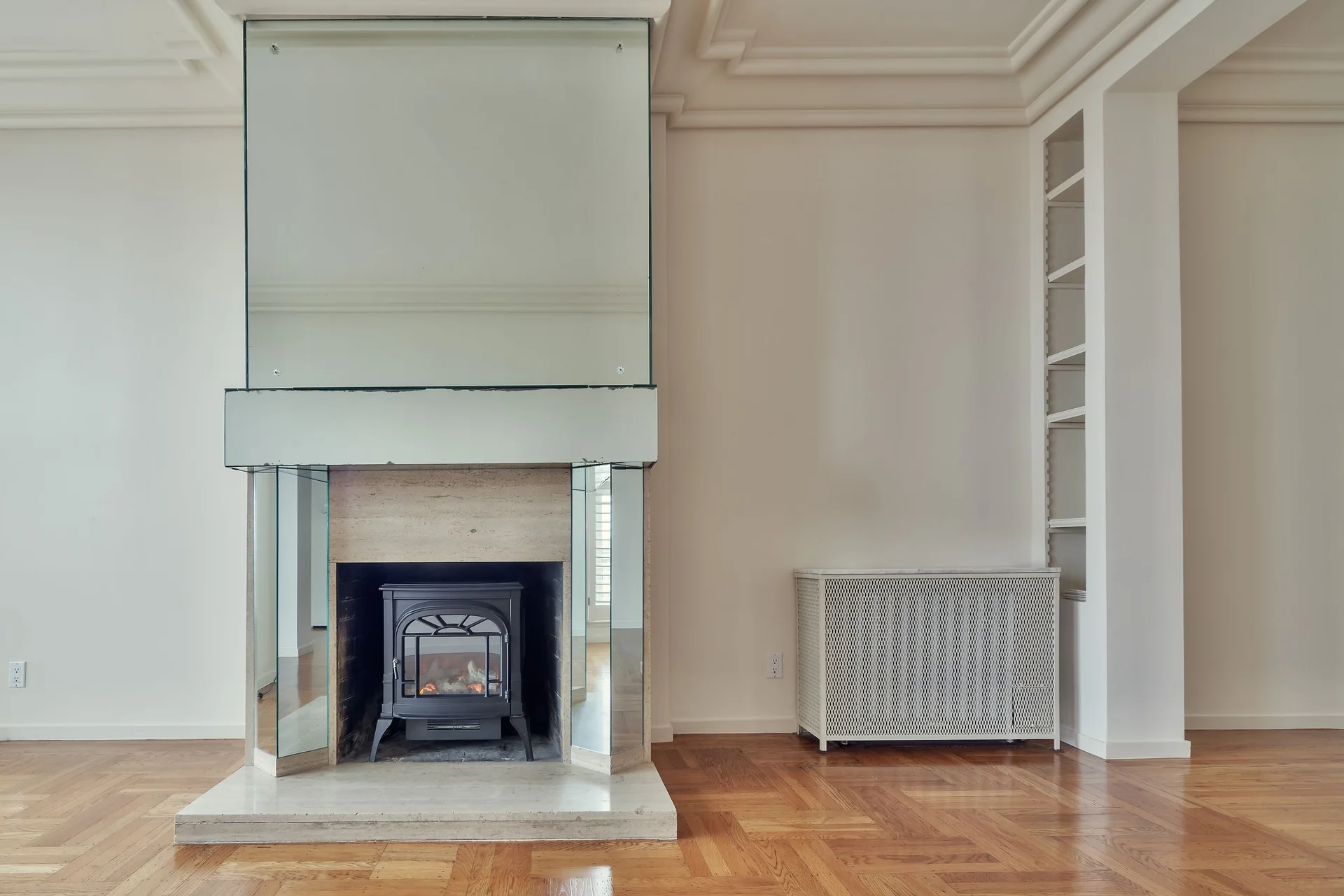
Ten years ago this was not a real comparison. Vinyl was the budget floor and hardwood was the floor you saved up for. Then rigid-core luxury vinyl plank arrived with wood grain you can feel, wear layers that outlast carpet three times over, and a price that undercuts hardwood by half. Now it is the most common decision we help with across Licking and Franklin County, and it deserves a straight answer rather than a sales pitch for either.
We install both, so we have no reason to steer you. Here is where each one genuinely wins.
What you are actually comparing
Hardwood is wood. Solid hardwood is one piece, three-quarters of an inch thick, nailed to a wood subfloor. Engineered hardwood is a real wood wear layer bonded to a plywood core, and it can go where solid cannot, including over concrete and in a basement. Engineered versus solid is its own decision, but for this comparison both count as hardwood: real wood on the surface, refinishable, and alive to moisture.
Luxury vinyl plank is a photograph of wood under a clear wear layer, on a vinyl or stone-composite core. Nothing in it is wood, which is the source of nearly all its advantages and nearly all its limits.
Looks: closer than people expect, until you look closely
A good luxury vinyl plank from six feet away is convincing. The grain is embossed to match the print, the edges are beveled, and the better lines use dozens of different plank images so repeats are rare. Where vinyl gives itself away is up close and over time: the pattern eventually repeats, the surface has a uniformity real wood does not, and a scratch on vinyl shows a different color underneath where a scratch on hardwood is still wood.
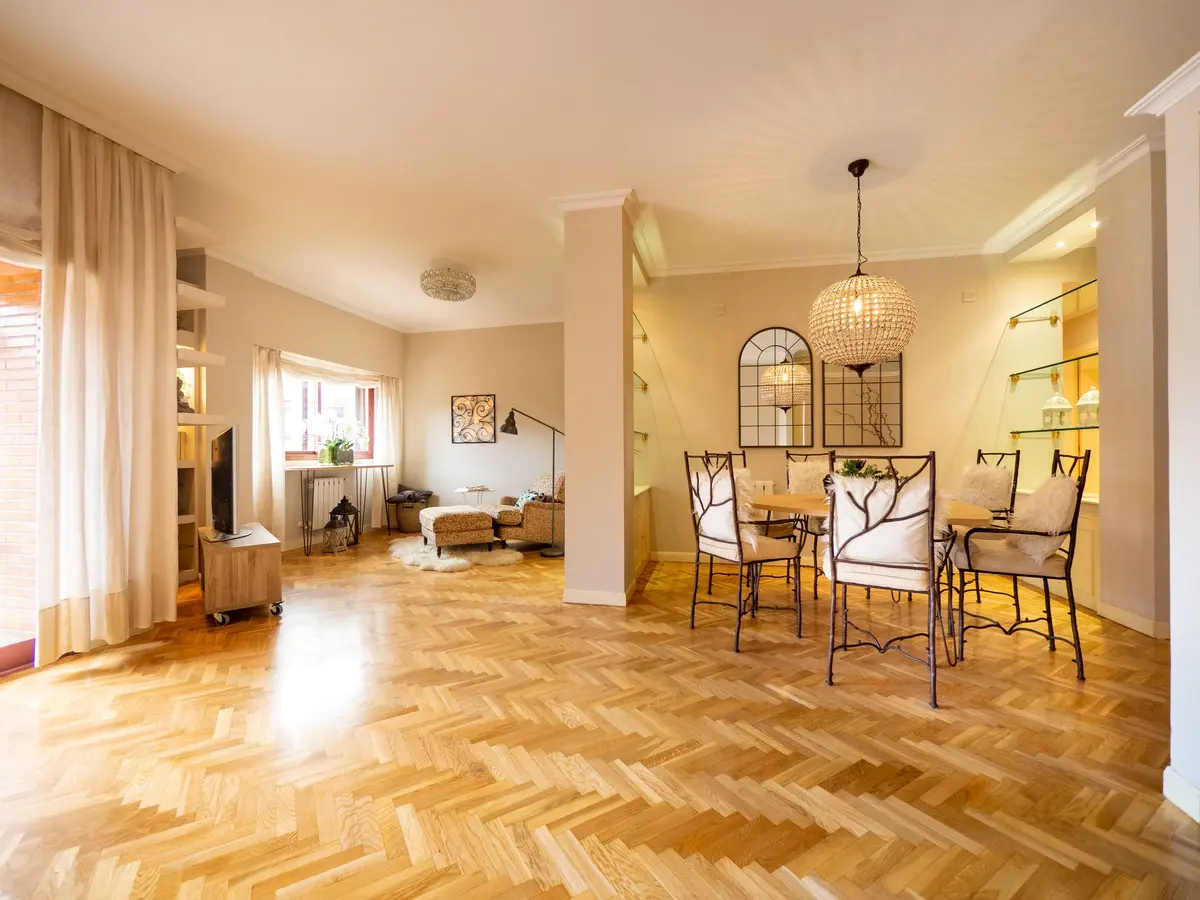
Hardwood is the thing vinyl is imitating. Every board is different, it changes color with the light and the seasons, and it ages rather than wears out. In a room where the floor is meant to be noticed, a dining room, a foyer, a living room with good light, real wood reads as real wood, and buyers can tell.
Water: vinyl, without an argument
Hardwood and water do not get along. A spill wiped up the same day is fine on a finished floor; a dishwasher leak that runs overnight, a wet-boot pile at the back door all winter, or a basement slab that breathes moisture will cup, stain and eventually buckle wood. Central Ohio gives you all three.
Luxury vinyl plank does not absorb water. A waterproof plank can sit in it. That makes vinyl the only sensible one of the two for kitchens with a history of leaks, mudrooms, laundry rooms, bathrooms and basements. Where you want the look of wood in a wet room, vinyl is not the compromise. It is the right product.
Wear, dents and pets
Hardwood dents. A dropped can, a dog's nails on a soft species, a chair dragged across it a thousand times, all leave marks, and the finish wears through in traffic lanes over a decade. The saving grace is that it can be sanded and refinished, and a solid floor can be refinished several times over a lifetime. That is not a service we offer, but it is a real advantage of the material, and it is why a fifty-year-old oak floor in a Newark or Granville house is still there.
Vinyl plank with a 20 mil wear layer resists scratches and scuffs better than most hardwood finishes and shrugs off pet claws. It dents under a very heavy point load, a refrigerator foot or a piano caster, and that dent is permanent. It cannot be refinished; when the wear layer goes, the plank is replaced. The good news is it goes plank by plank, if you kept a box.
For a house with large dogs, our pet flooring guide comes down on the side of vinyl for the rooms the dogs live in, and this comparison agrees.
Feel, sound and temperature
Solid hardwood on a wood subfloor is quiet, solid and warm underfoot. Engineered hardwood glued down is close to it. Luxury vinyl plank is softer than hardwood, which some people like, and rigid-core planks with an attached pad are far better than the thin, hollow-sounding vinyl of the past. But a floating vinyl floor can still sound like a floating floor, particularly upstairs, and it never quite has the solidity of wood under a heel.
Resale: the one place hardwood clearly pays
In the Columbus market, real hardwood on the main level is the floor listing agents lead with, and buyers in New Albany, Upper Arlington, Granville and Dublin expect it in a house at the upper end. A house with genuine hardwood sells for more and sells faster than the same house with vinyl, and the gap is largest in the price bands where buyers are choosing between similar houses.
In the middle of the market, in Pataskala, Heath, Newark, Pickerington or Reynoldsburg, a clean, well-installed luxury vinyl plank through the main floor shows well and does not cost a sale. Buyers there are comparing it to worn carpet, not to white oak. Whether new flooring pays back depends heavily on the house.
Cost, installed
This is where the decision is often made for you. In our installed pricing for a 500 square foot area, luxury vinyl plank runs from about $2,500 at our Essential level to $7,500 at Designer. Hardwood over the same area runs from about $3,750 at Essential to $15,000 at Designer. The full tables are on our pricing page, with more detail in what hardwood costs installed and what luxury vinyl plank costs installed, and every figure includes removal of the old floor, subfloor preparation, standard furniture moving and installation.
So at the entry level hardwood costs about half again as much as vinyl, and at the top of the range it costs twice as much. Over a whole main floor, that is the difference between a project and a larger project. Hardwood also lasts longer and holds value better, so the gap narrows over the life of the house. It does not close.
Installation differences that matter here
Hardwood needs a wood subfloor for solid, or a flat, dry slab for glued engineered, and it needs to acclimate in the house for days before it goes down. Central Ohio humidity swings from a damp August to a bone-dry heated January, and wood installed without acclimating will gap or cup with the first season. We check subfloor moisture before ordering hardwood, because it decides whether the floor stays flat.
Luxury vinyl plank is faster and more forgiving, but it is thin, and it shows whatever is under it. A hump in the subfloor or an old ridge of adhesive telegraphs straight through, so the subfloor preparation matters just as much; it is just a different kind of preparation. How long each takes to install is covered in its own guide.
Where we would put each one
- Foyer, living room, dining room in a house at the upper end of the market, or any room where the floor is meant to be seen: hardwood
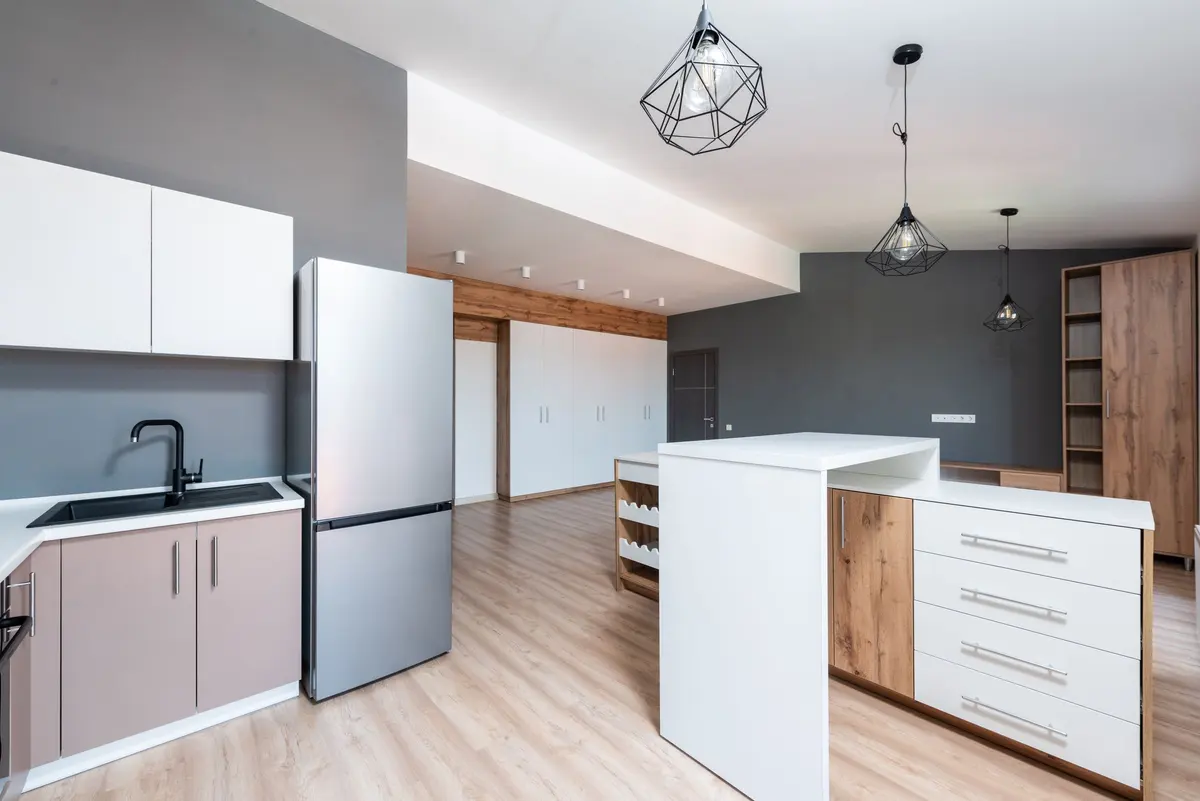
- Kitchen: vinyl unless the house has hardwood everywhere else and you are willing to manage water
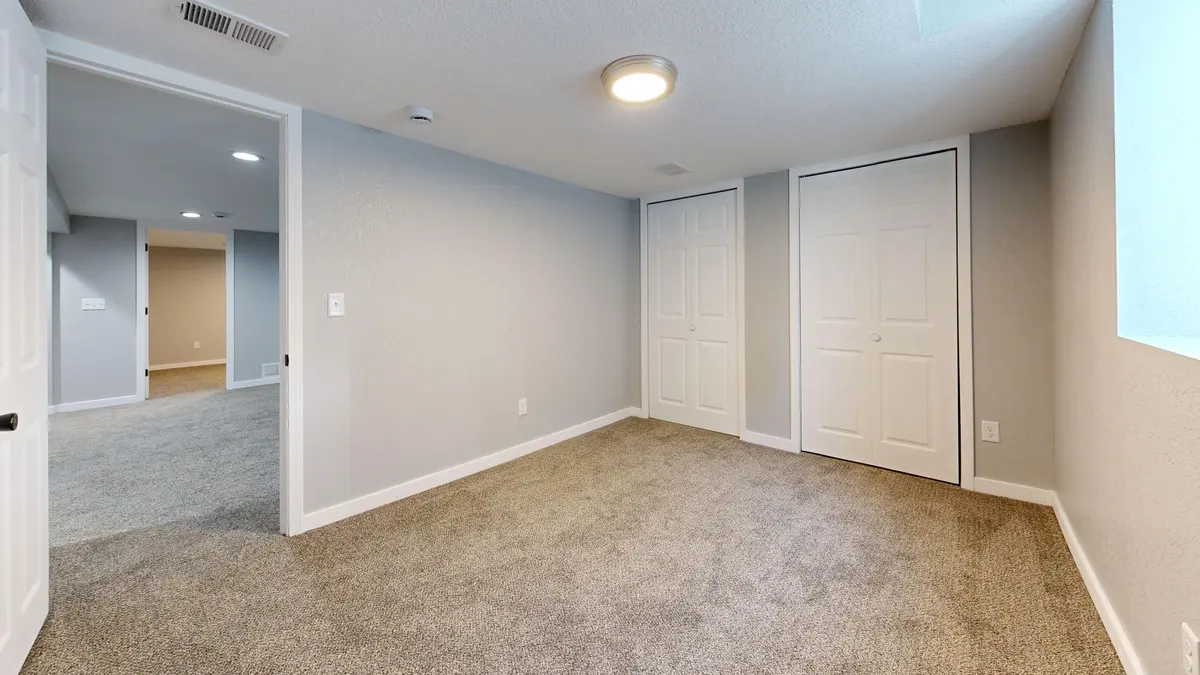
- Mudroom, laundry, bathroom, basement: vinyl, waterproof
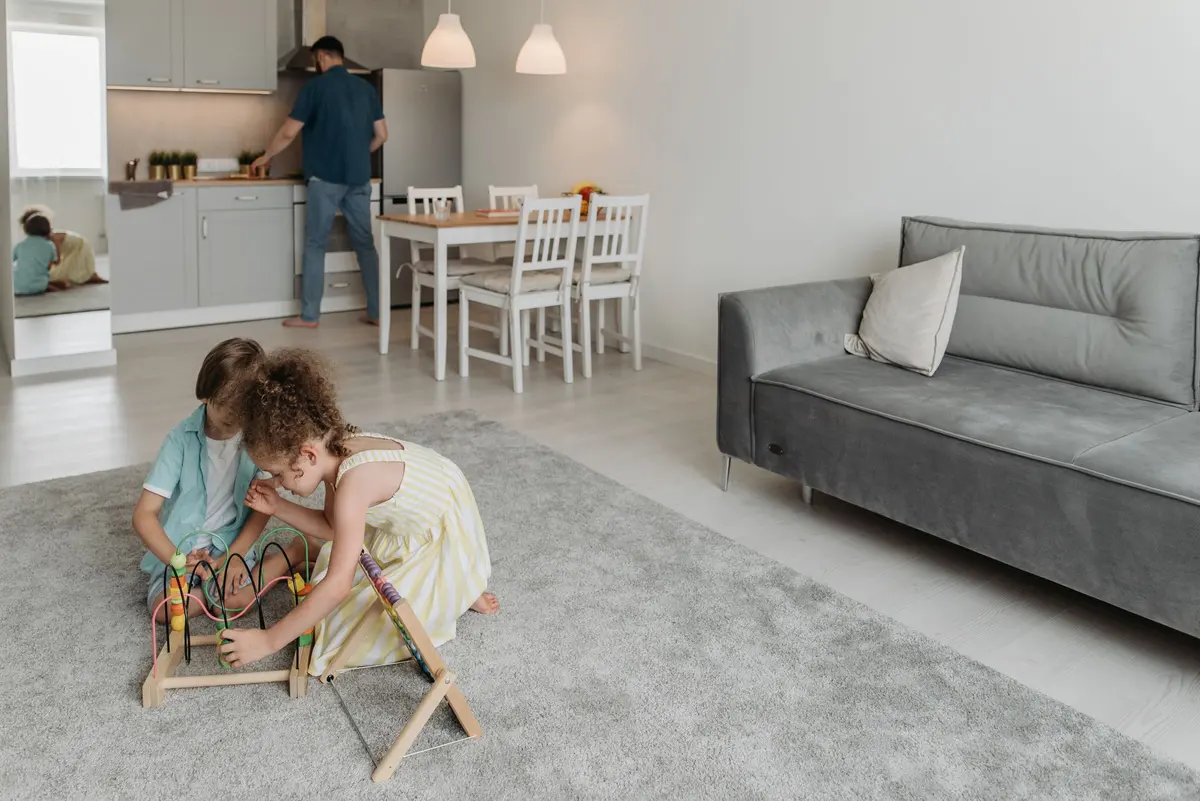
- Family room with dogs and kids: vinyl
- Main floor of a mid-market home being refreshed on a budget or before a sale: vinyl throughout, run continuously with no transitions
- Whole main floor of a home you plan to keep for decades: hardwood, engineered where the subfloor requires it
- Upstairs bedrooms: usually carpet rather than either
The mistake to avoid
The expensive mistake is not choosing the wrong one. It is choosing a cheap version of either. A thin, 6 mil vinyl plank with a poor print looks like vinyl and wears out in five years, and a soft, low-grade hardwood with a thin finish dents and dulls just as fast. A good luxury vinyl plank beats a bad hardwood, and a good hardwood beats everything, and the quality level you pick inside each material matters more than the choice between them.
We bring both to the house. A hardwood sample and a vinyl sample side by side on your own floor, in your own light, is the fairest comparison there is, and it takes ten minutes. Book a free in-home estimate and we will measure the rooms, check what is under the existing floor, and price the house both ways so you can see the actual difference.