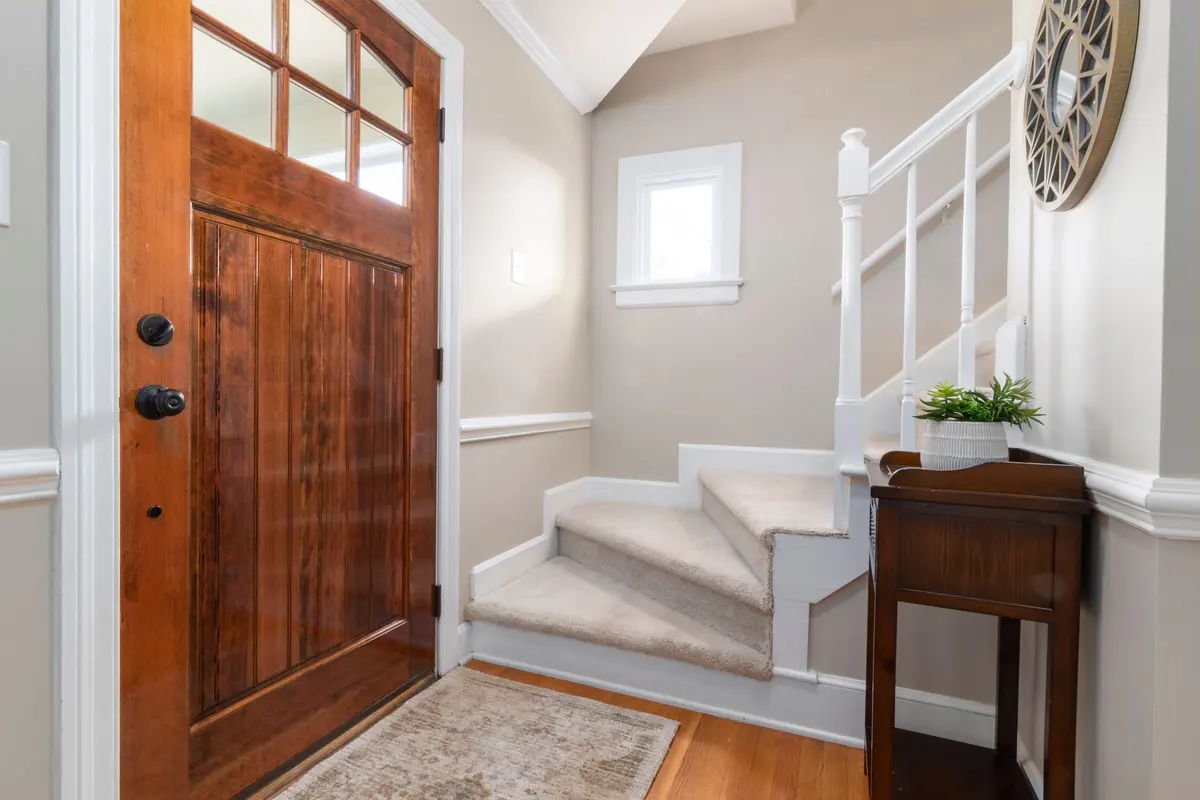
Carpet rarely wears out the way people expect. The fibers do not simply get used up. What actually happens is that grit works its way down into the pile, where every footstep grinds it against the yarn, and the traffic lanes flatten and turn dull while the edges of the room still look new. By the time a carpet looks tired, it has usually been losing to dirt for years.
The good news is that the routine that prevents it is simple, and most of it is vacuuming. This guide covers how to vacuum properly, how to deal with spills without making them worse, when to bring in a professional cleaner, and the small habits that decide whether a carpet looks good at year ten.
Vacuuming: more often, and more slowly
Dry soil is the main enemy of carpet, and a vacuum is the only tool that removes it. The rule of thumb is simple:
- Traffic lanes, entries and stairs: two or three times a week, more with pets or in winter
- Bedrooms and rooms that see less use: once a week
- Under furniture and along the edges: every few weeks, with the crevice and upholstery tools
How you vacuum matters as much as how often. Go slowly, with overlapping passes, and cross the room in two directions so the brush reaches the base of the pile from both sides. A quick single pass picks up what is on the surface and leaves the grit that does the damage.
A few vacuum settings make a real difference:
- Height: set the head so the brush just touches the pile. Too low and it fights the carpet; too high and it barely cleans
- Brush roll: on cut-pile carpet the spinning brush is what lifts the soil. On loop carpets, including Berber, a brush that grabs the loops can fuzz or snag them, so use a suction-only setting or a head the carpet manufacturer approves
- Bag or bin: empty it before it is full. A vacuum loses suction well before the bag is packed
- Brush roll and filters: cut away the hair wrapped around the roll and clean or replace the filters. A clogged vacuum just moves dirt around
Stop the dirt at the door
Most of the soil in a carpet walks in from outside. Mats outside and inside every exterior door catch a large share of it before it reaches the carpet, and taking shoes off at the door catches most of the rest. In winter, salt and slush tracked in from the entry end up in the first carpet they reach. Our guide to entryway flooring covers how to set up the door so the rest of the house stays cleaner.
Spills: blot, do not rub
What you do in the first few minutes decides whether a spill becomes a stain.
1. Act quickly. The longer a spill sits, the further it soaks into the fiber and down toward the backing and pad 2. Scoop up solids with a spoon or a dull knife before doing anything else 3. Blot with a clean white cloth or paper towels, pressing down to draw the liquid up. Rubbing or scrubbing spreads the spill and untwists the yarn, which leaves a fuzzy patch that looks worse than the stain 4. Work from the outside in, so the spot does not grow 5. Rinse with a little plain water and blot again, because soap or spill residue left in the carpet attracts dirt and the spot comes back darker 6. Dry it. Put a stack of paper towels on the spot with something heavy on top, and leave it for a few hours
If water alone does not shift it, use a carpet spot cleaner made for your fiber, and test it first somewhere hidden, such as inside a closet. Go easy on the liquid. Soaking a spot pushes the spill into the pad, where it cannot be reached, and it often wicks back up as the carpet dries.
Some carpet fibers are much more forgiving than others. Solution-dyed fibers carry their color all the way through, so they can be cleaned firmly without fading, which is why we recommend them in family rooms and in homes with pets. How to choose carpet explains the fiber choices.
Pet accidents
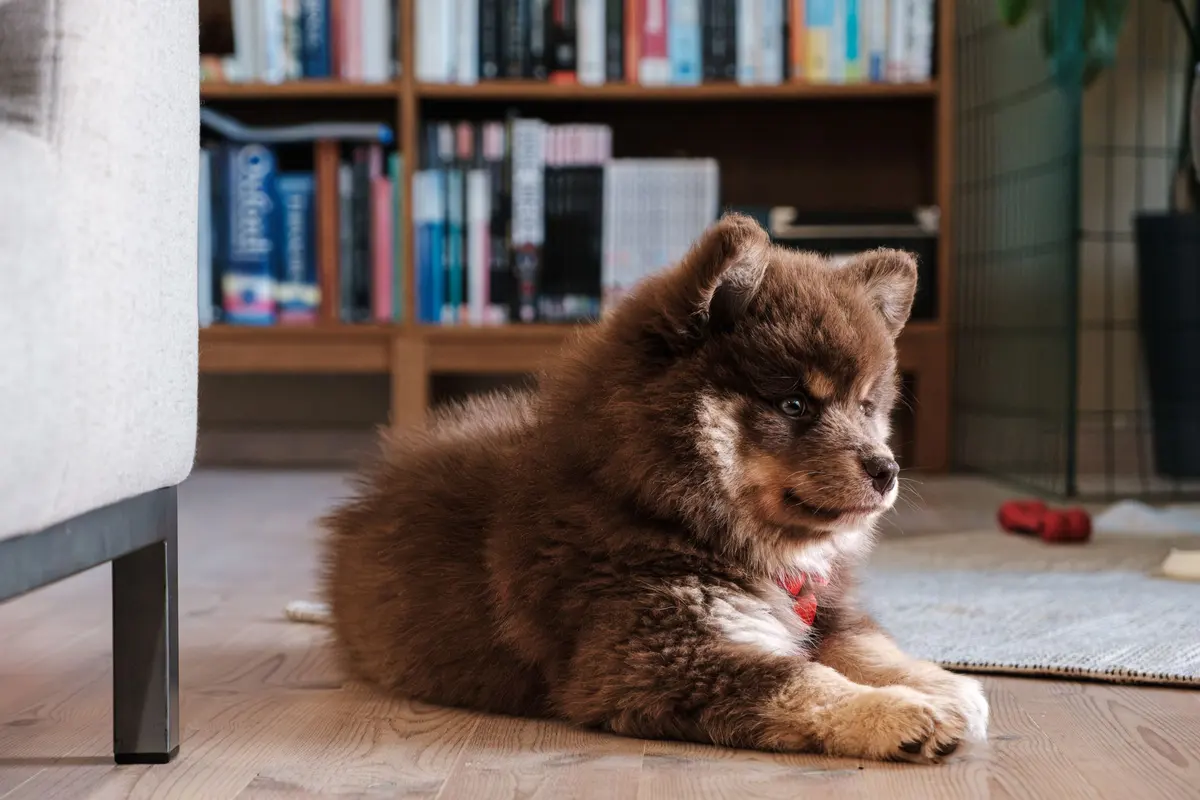
Urine is the hardest spill carpet faces, because it is the one that tends to go unnoticed until it has soaked through. Blot as much as you can, rinse lightly, blot again, and then use an enzyme cleaner made for pet stains, which breaks down the source of the odor rather than covering it. Follow its directions on how long to leave it.
What happens next depends on what is under the carpet. A moisture-barrier pad keeps the liquid near the surface where it can be extracted. Without one, an accident that reaches the pad holds its smell no matter how clean the carpet looks. Our carpet padding guide covers why, and our pet flooring guide compares carpet with the hard-surface options for homes with dogs and cats.
Deep cleaning: professional extraction
Vacuuming removes dry soil. It does not remove the oily film that builds up on the fibers over time and makes a carpet look gray in the traffic lanes. That takes a deep clean.
Hot-water extraction, which most people call steam cleaning, is the method most carpet manufacturers recommend. Many suggest having it done professionally about every year to year and a half, more often in busy homes. Some carpet warranties go further and require periodic professional cleaning, and ask for the receipts if you make a claim, so read the warranty documents that came with your carpet and keep the paperwork.
Rental machines can freshen a carpet between professional cleans, but they come with two risks: leaving too much water in the carpet, and leaving too much detergent behind. Use less solution than you think you need, do extra rinse and suction passes, and keep air moving until the carpet is fully dry.
Furniture, sun and the small things
- Move furniture now and then. Shifting a sofa or a bed a few inches changes the walking path and spreads the wear
- Use furniture cups under heavy legs to spread the load. For dents that already exist, an ice cube left to melt into the dent, followed by gently fluffing the pile once it is damp, often brings the fibers back up
- Manage the sun. Strong direct sun fades most carpet over time. Blinds or curtains on the brightest windows during the middle of the day slow it down. Does sunlight fade floors? explains why solution-dyed fibers hold their color best
- Trim, never pull. A snag or a loose tuft should be cut level with the pile using sharp scissors. Pulling it can unravel a row, especially in a loop carpet
- Use a chair mat under a rolling desk chair, which will crush and fray carpet faster than anything else in the house
Ripples and loose carpet
A carpet that develops ripples or loose waves was usually not stretched tightly enough when it was installed, or is sitting on a pad that is too thick and soft for it. It will not fix itself, and the ridges wear faster than the flat carpet around them and can catch a toe. A ripple needs to be restretched with a power stretcher. If it is carpet we installed, call us and we will look at it.
When cleaning is no longer enough
Good care slows a carpet down. It does not make it last forever. These are the signs a carpet has reached the end:
- Traffic lanes stay flat and matted after a professional clean
- Odors come back within days of cleaning, which usually means the pad or subfloor is involved
- The backing shows through on stair noses or in doorways
- Seams are separating or the carpet has come loose at the edges more than once
At that point, what carpet costs installed covers the budget. For a typical 500 square feet, installed carpet through Highmark runs $1,750 to $5,000 depending on quality level, and our project pricing includes the cushion, removal of the old carpet and pad, and standard furniture moving on most projects.
The short version
- Vacuum traffic areas two or three times a week, slowly, in two directions
- Use mats at every door and take shoes off at the door
- Blot spills, never rub, and rinse with plain water
- Use an enzyme cleaner for pet accidents
- Have the carpet professionally extracted about every year to year and a half, and keep the receipts
- Move furniture, manage the sun, trim snags
If your carpet is past saving, or you are choosing a new one that will be easier to keep, book a free in-home estimate. We bring carpet samples to your home, measure the rooms and stairs, and help you choose a fiber and cushion that suit the way your household actually lives.