
The new floor gets all the attention. The old one still has to come out, get carried to a truck and go to a landfill, and the subfloor it was hiding has to be made ready for what comes next. On a lot of quotes that work is a line you do not see until the day of, or a line that is missing until the old floor is on the driveway and the price changes.
Here is what floor removal actually involves for each material, what it typically costs when it is charged separately, and why we put it in the project price on most jobs rather than treating it as an extra.
Why removal is not optional
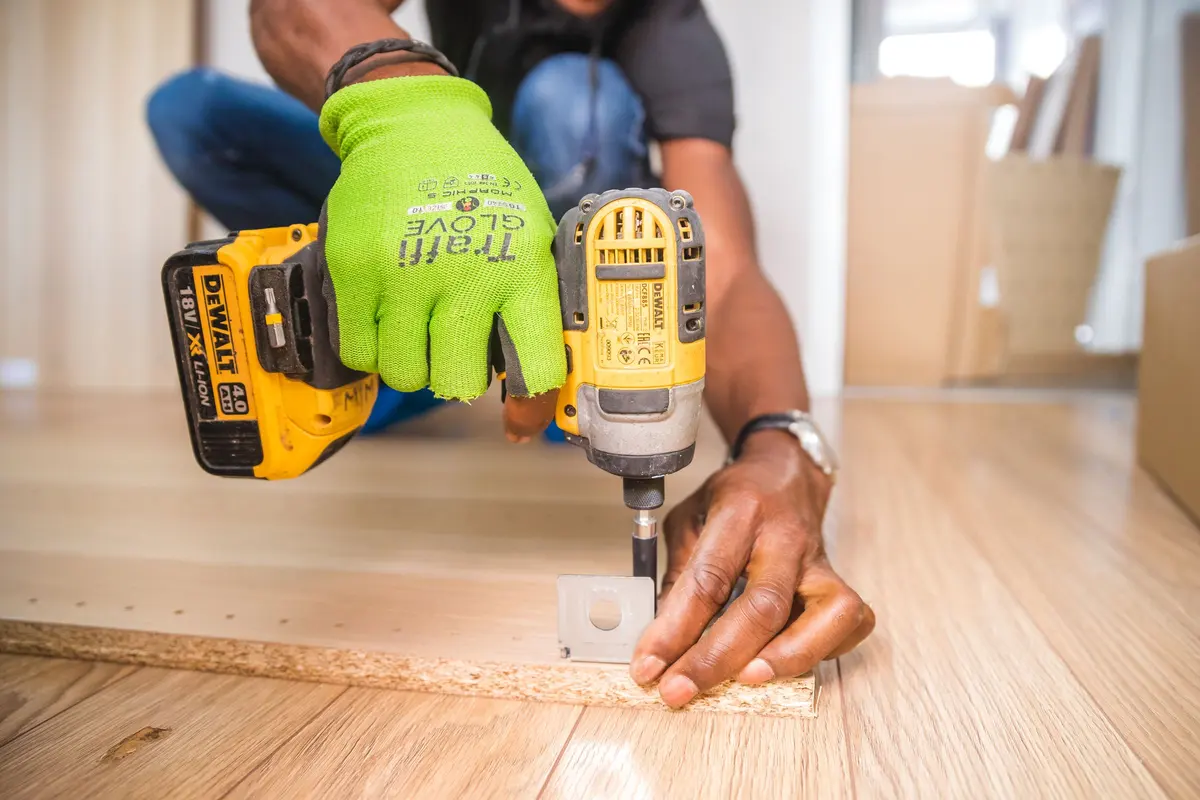
New flooring performs exactly as well as what is under it. Carpet pad, cushioned sheet vinyl, loose or cracked tile and swollen laminate all move, and a floor laid over them moves with them. Removing the old floor is also the only way to see the subfloor, and the subfloor is where the surprises live: soft spots by the dishwasher, a squeak that turns out to be a loose sheet of plywood, moisture staining near an exterior door. The signs you need subfloor repair are usually invisible until the old floor is gone.
There are a few cases where a new floor can go over an old one: luxury vinyl plank over a flat, well-bonded sheet vinyl, or over tile with the grout lines filled. When vinyl plank can go over an existing floor has the details, and we will say so when it applies. It rarely does.
Carpet and pad
The easiest removal. Carpet is cut into strips, rolled and carried out, the pad comes up after it, and the tack strip along the walls is pried off, along with several hundred staples. The dust and the smell are the memorable part; a decade of whatever soaked into the pad comes out with it. A whole floor of carpet comes out in a few hours.
The trap is the pad. Old pad that has been wet, or has had pets on it, sometimes bonds to the subfloor in patches, and those patches have to be scraped so the new floor sits flat. That is not a big job, but it is the reason a carpet removal is not always a fifteen-minute one.
Charged separately, carpet removal in the Columbus area typically runs somewhere around fifty cents to a dollar per square foot including disposal.
Laminate and floating vinyl plank
Floating floors come up quickly because nothing is attached to the subfloor. The trim comes off, the planks are lifted from one wall and unclicked or snapped, the underlayment is rolled up. Half a day for a main floor. If the planks were glued at the joints, which some older laminates were, they come up in broken sections instead, which is slower and messier but not harder.
The subfloor under a floating floor is usually in good shape, because the floor was never fastened to it. The exception is laminate that got wet: the swelling that ruined the laminate often means moisture reached the subfloor too.
Glued vinyl, sheet vinyl and glued vinyl plank
This is where removal gets hard. Sheet vinyl and glue-down plank are bonded to the subfloor with adhesive that has cured for years. The surface comes off in strips, and then the adhesive residue has to be scraped or ground off, because a new floor will not bond to old glue and a floating floor will telegraph every ridge of it.
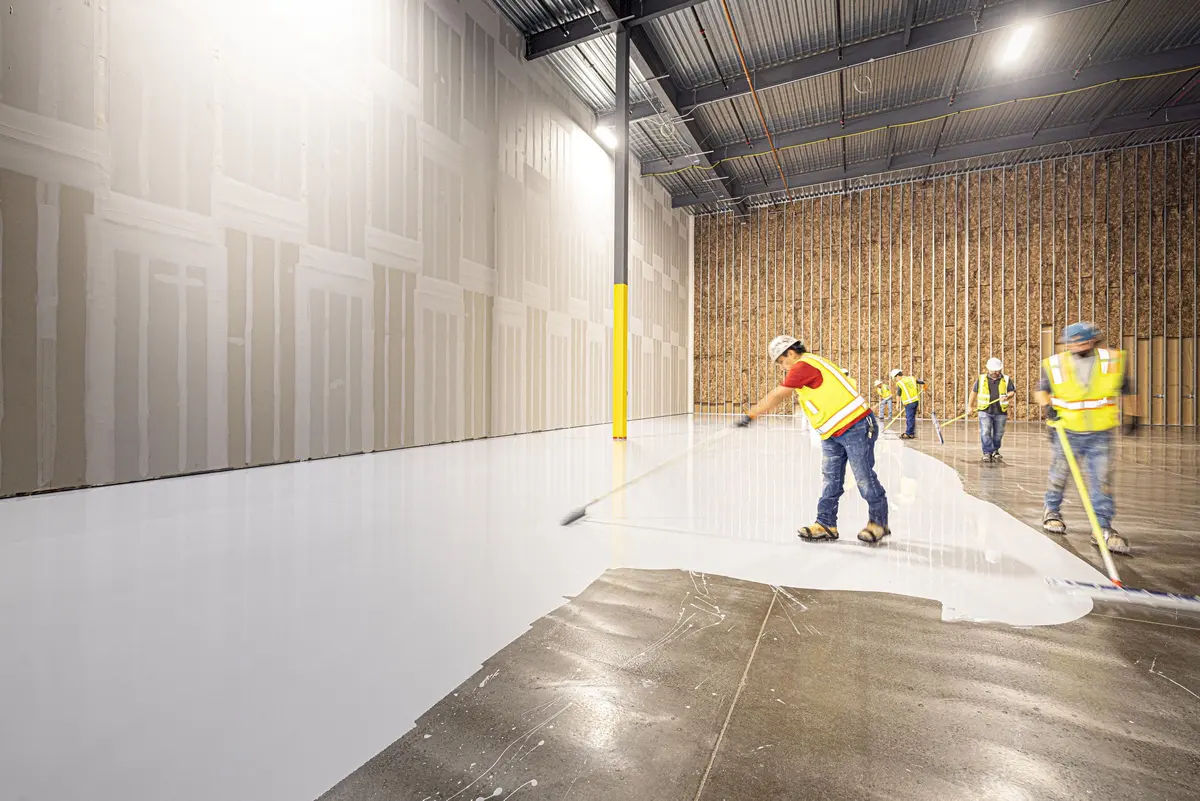
On a wood subfloor, the fastest good answer is often to remove the old underlayment sheet along with the vinyl on top of it and lay a new sheet, which gives a clean, flat surface in one step. On a concrete slab, the glue is ground.
Two cautions. Sheet vinyl installed before the mid-1980s can contain asbestos in the backing or the adhesive. It is safe undisturbed and it is not safe to sand or grind. If your house is old enough and the floor is original, it gets tested before anyone touches it, and if it is positive, the answer is usually to leave it in place and go over it or bring in a licensed abatement contractor. And glued vinyl removal is the slowest job in flooring, which is why it costs the most when charged separately, often two to three dollars per square foot.
Tile
Tile comes up with a demolition hammer, in pieces, with a lot of noise and a lot of dust. Then the thinset underneath has to be ground off the slab or the backer board underneath removed. A tiled kitchen or bathroom floor is a full day of loud work for a crew, and the debris is heavy; a dumpster or a very full trailer is normal.
The subfloor under tile is almost always fine, because tile is rigid and does not hide movement well. The thing to plan for is the height change: tile with its backer board is usually thicker than what replaces it, so doorways, transitions and sometimes the toe kicks under cabinets end up needing attention. We do not install tile, but we remove it regularly when it is being replaced with vinyl plank or hardwood.
Hardwood
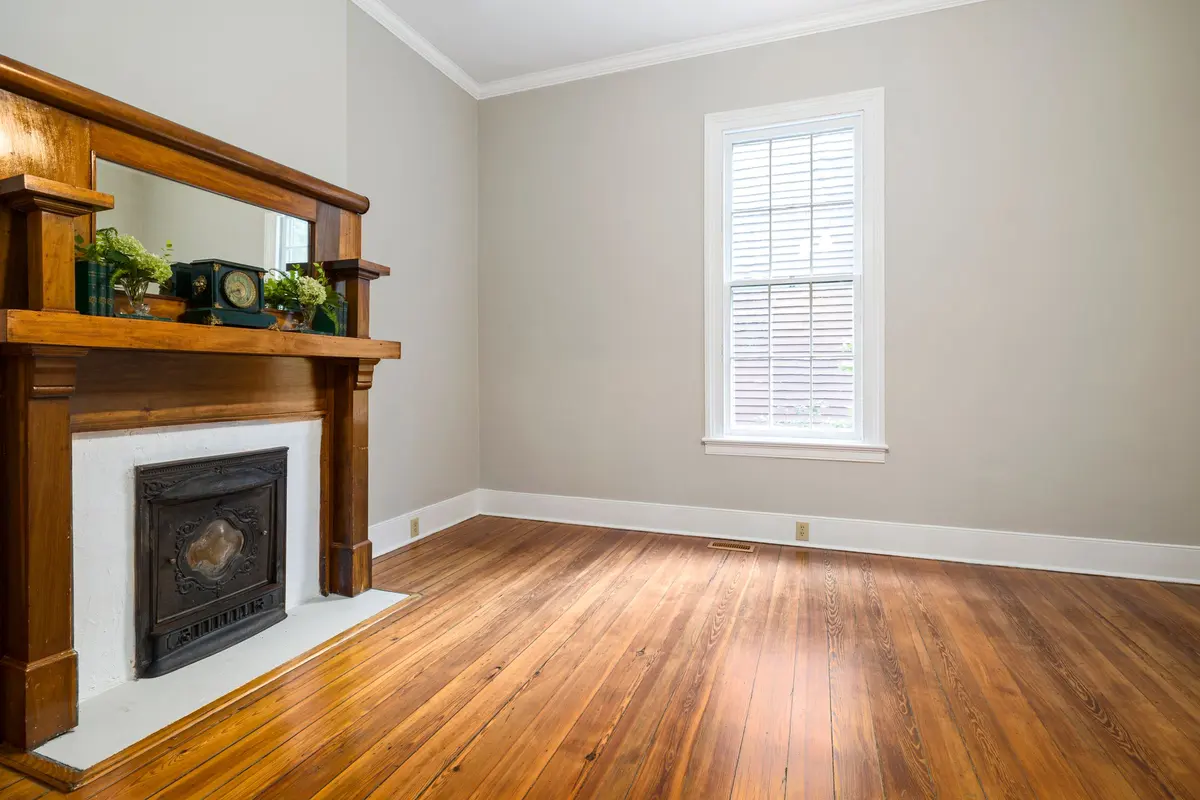
Nailed hardwood comes up with a pry bar and a lot of effort, board by board or in sections, and it leaves hundreds of nails in the subfloor that have to be pulled or driven down. Glued engineered hardwood is like glued vinyl, only tougher. Removal of an old hardwood floor is slow and usually only done when the floor is genuinely finished, which is rarer than people think; a solid hardwood floor that has simply worn out its finish is often a candidate for refinishing rather than removal, and while refinishing is not something we do, we will tell you if your floor looks like it should be saved instead of replaced.
Disposal
Everything that comes up has to go somewhere. Carpet and pad are bulky, tile is heavy, and none of it goes in the weekly trash. Hauling and landfill fees are a real cost, and they are the part of a separate removal charge that people do not see. Ask any installer who is charging removal separately whether disposal is in that number.
What you find underneath, and what it costs
Most subfloors are fine. When they are not, the common repairs are a soft or delaminated section of plywood or particleboard, usually near water, cut out and replaced; a squeaking sheet screwed down; a high seam sanded or a low area leveled; and, over a slab, moisture that has to be tested and sometimes sealed before a wood or laminate floor goes over it. These are priced when they are found, because there is no honest way to price them before the floor comes up. What we can do is look at the house before we quote, note the signs, and tell you what is likely.
Why we include removal
On most of our projects, taking out the existing floor, hauling it away, moving standard furniture and preparing the subfloor is already in the price. That is not generosity; it is how you get a number that does not move. A quote that leaves removal off is a quote that is smaller on paper and larger on the day, and it is the most common way two flooring prices end up thousands apart for the same room. How to read two different quotes for the same room is worth ten minutes before you compare anyone's numbers, ours included. Floor Removal & Demo describes exactly what the service covers.
Book a free in-home estimate, and we will look at what is on the floor now, tell you what is probably under it, and give you one written price that has the removal in it.